Update: Construction Begins in Waidradra
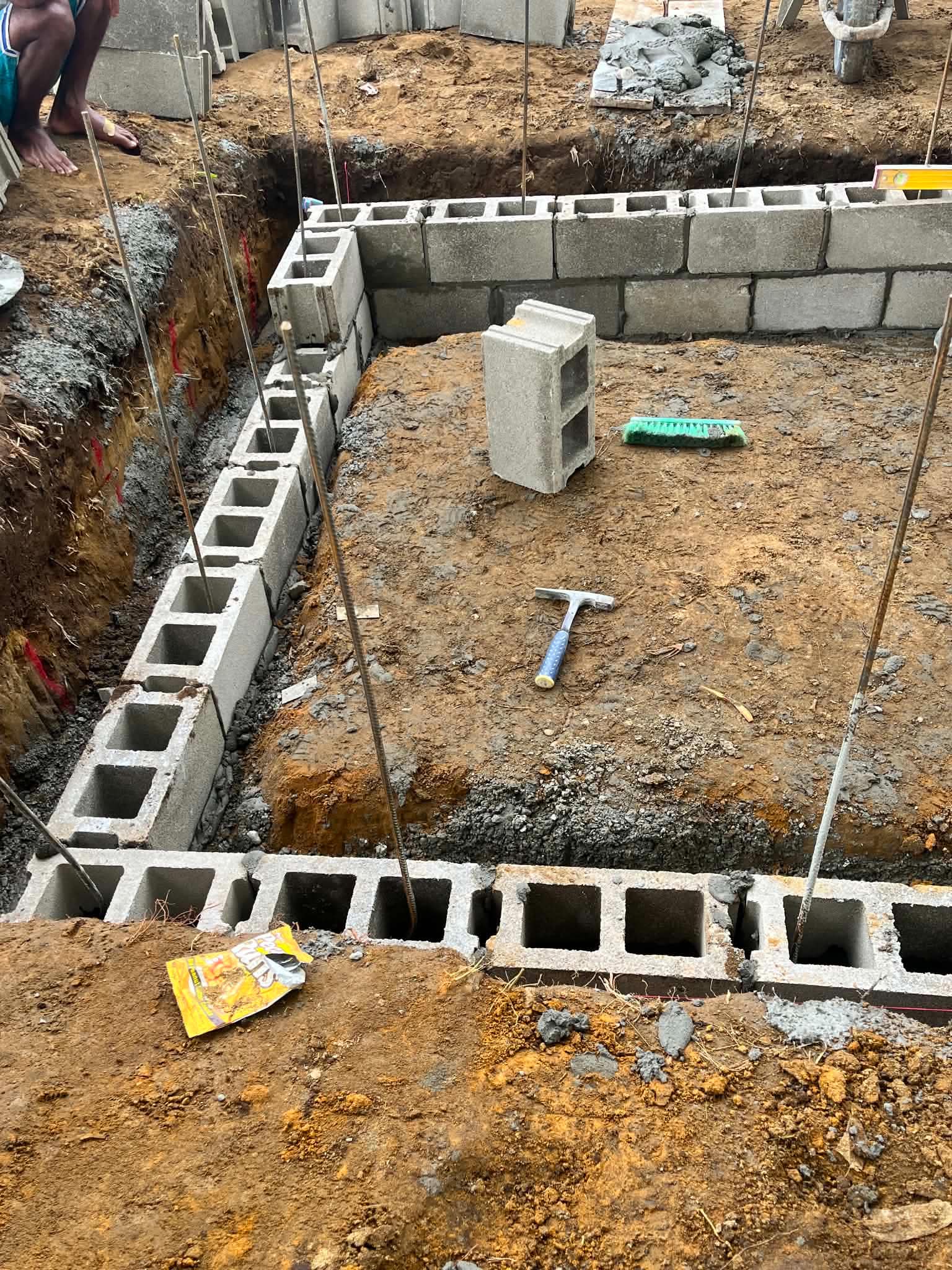
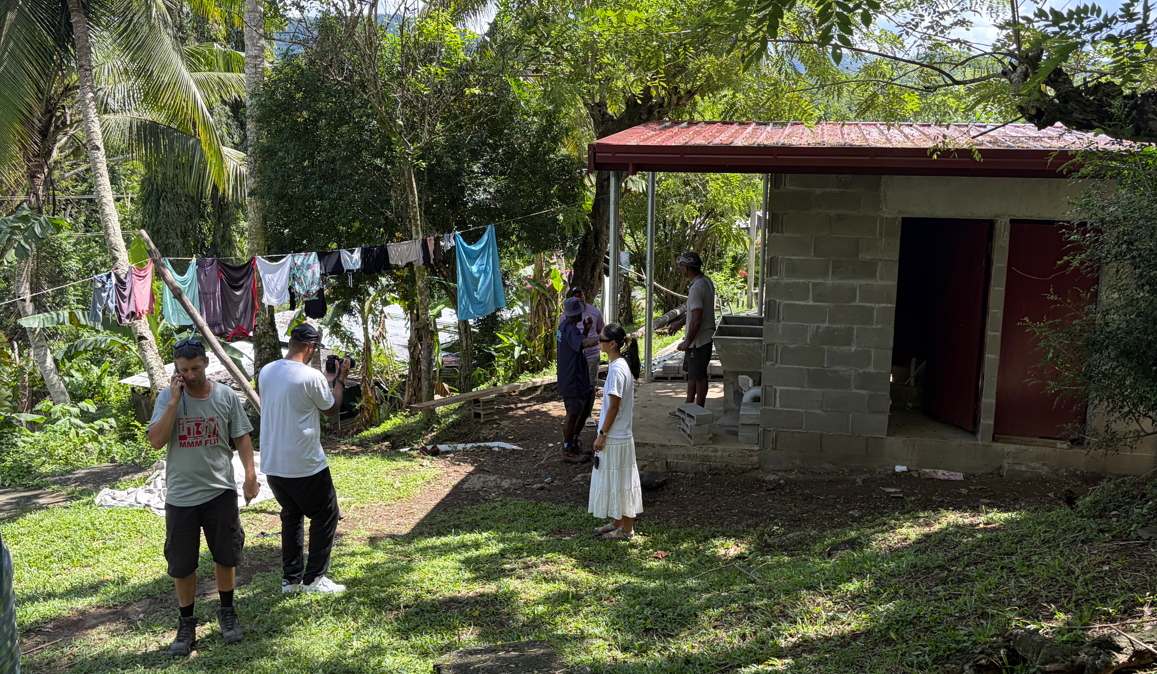
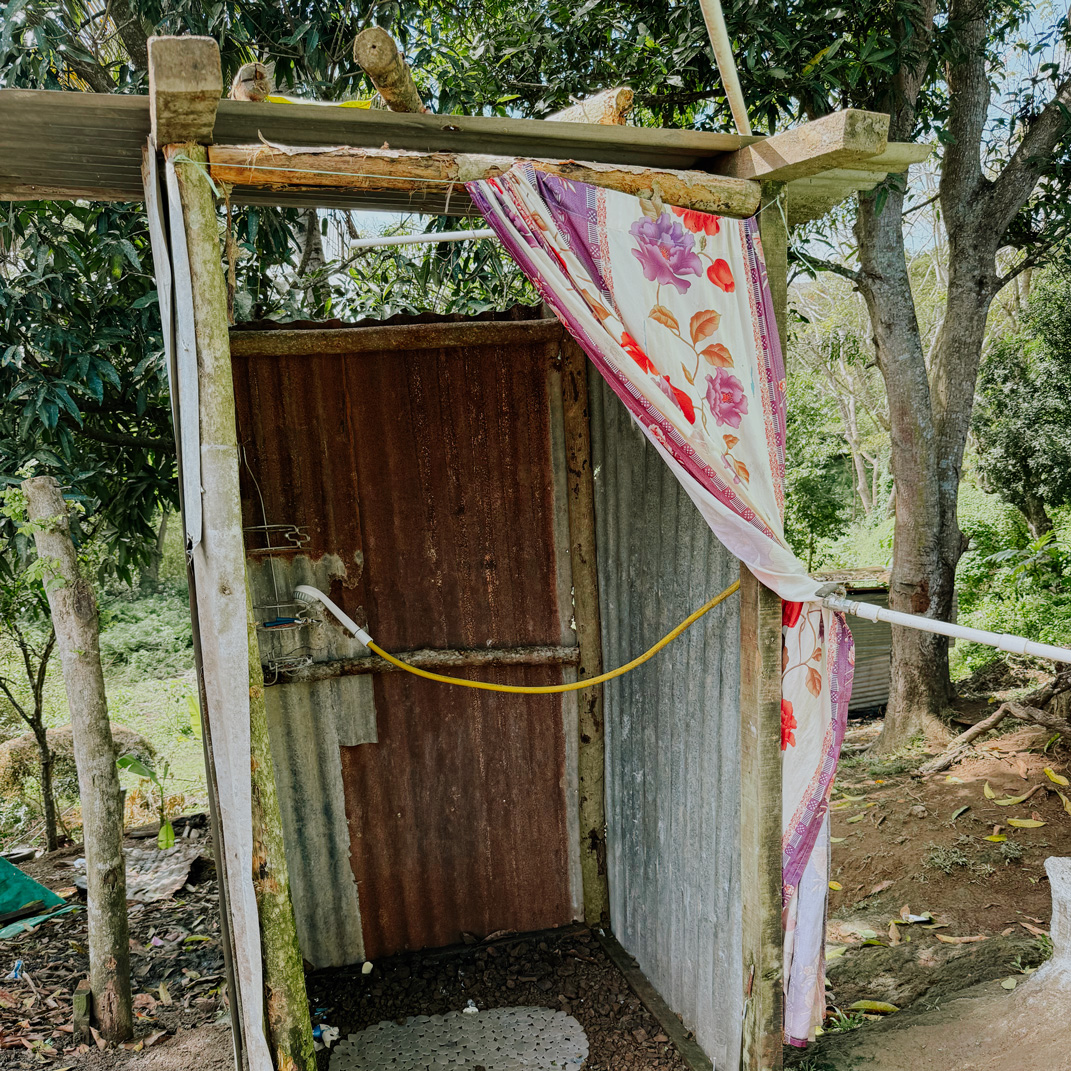
According to a report from our implementing partners in Fiji, work in Waidradra settlement is underway. Last week in Waidradra, MMM Fiji began laying the...
Read more
Climate change affects us all, but not equally. Anglican Missions works with communities and local churches as part of a wider, shared response to climate change, recognising that those who have contributed least to the crisis often experience its impacts most acutely. Our role is to stand alongside communities, support practical climate adaptation strategies, and strengthen local disaster preparedness capacity so people can respond with dignity and resilience.
You can partner with us to support climate justice and disaster preparedness through your donation to the Climate and Resilience programme.
Communities least responsible for the causes of climate change often suffer the most from its effects.
Climate change is not only an environmental challenge; it is also a justice issue. Low lying coastal communities, small island states, and rural households dependent on land and water are already experiencing rising sea levels, more extreme weather events and increasing pressure on livelihoods.
Human well-being depends on a healthy planet, including clean water, fertile soil, stable weather patterns, and functioning ecosystems. When these systems are disrupted, existing inequalities are deepened. Climate justice requires responses that address inequalities, respond to systemic issues, and empower vulnerable communities to adapt and flourish. The protection of this earth is everyone’s responsibility, and it starts with providing equitable and just solutions for underserved communities, especially those facing heightened effects of climate change.

For Anglican Missions, justice for people means focusing on equity, local leadership and inclusion. Our climate resilience programme includes work such as sustainable agriculture, protecting water sources, restoring soil, and supporting approaches grounded in kaitiakitanga and stewardship of creation.
Disaster Preparedness allows communities to respond more effectively when disasters occur.
Anglican Missions also supports climate resilience through our work in disaster preparedness. As climate change exacerbates and disasters are more frequent, only focusing on disaster mitigation and response is insufficient for climate-vulnerable communities. That’s why we focus on walking alongside communities to develop disaster preparedness committees and create disaster response plans. Through disaster preparedness, communities can strengthen their responses before disaster occurs, respond immediately after, and recover much quicker.
Our work in disaster preparedness equips local faith communities to serve their communities before, during, and after disaster strikes. Within faith communties, members are regularly involved across the community, are well networked, and have integral knowledge of the strengths and vulnerabilities of the community. They operate with pre-existing values and principles of manaakitanga (hospitality, generosity, and support), kaitiakitanga (stewardship), whanaungatanga (relationship), and Kotahitanga (collective action). Intentionally integrating these skills and principles enables faith communities to organise and respond effectively to disasters in coordination with other local actors. It also gives vulnerable communities, especially those in rural locations, the skillset to respond to disasters in places where government response is insufficient, slow, or nonexistent.
Learn about the disaster preparedness work we are doing in Aotearoa and access our disaster preparedness toolkit.
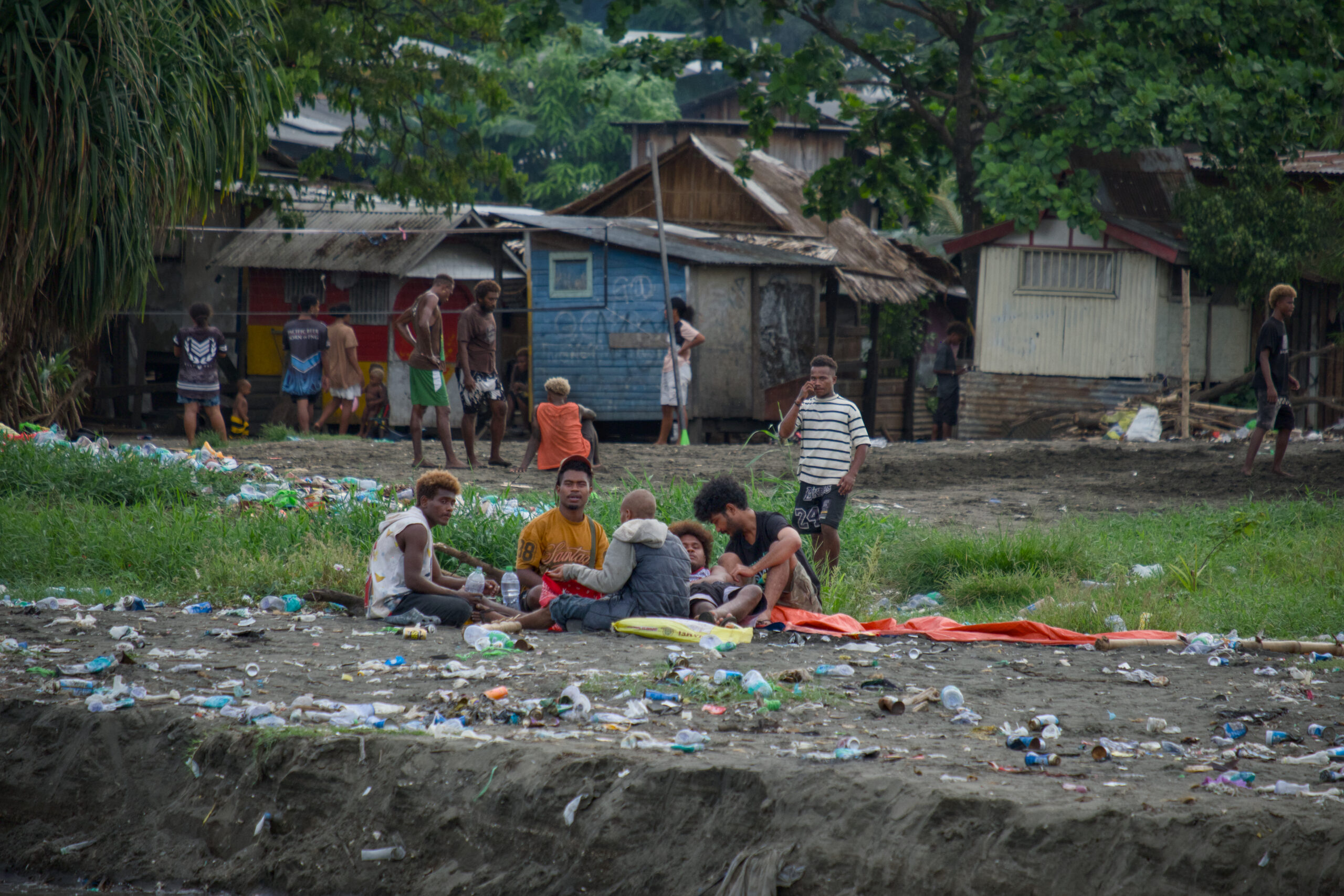
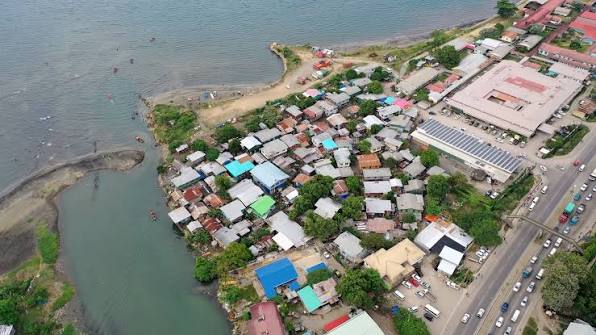
Working in Yalava, Waidradra, and Nadawa informal settlements to improve resilience and wellbeing
View more