Ontong Java Settlement - Anglican Missions

Water, Sanitation, and Hygiene in a dense urban settlement


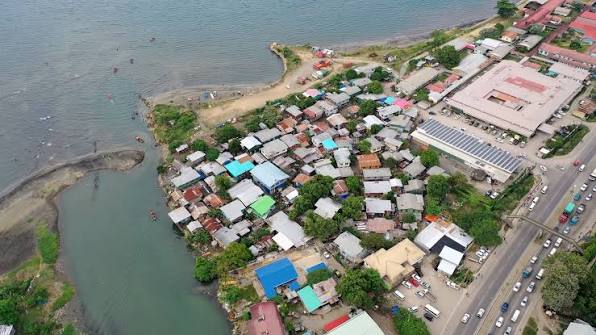
Ontong Java (Lord Howe) Settlement is situated in Northern Honiara, Solomon Islands. Covering only 2.8 hectares, the informal settlement is comprised of over 800 people, predominantly of Polynesian descent, most of which have been internally displaced from Ontong Java Atoll due to climate-related pressures.

Because of the settlement’s location at urban margins, it faces numerous challenges, particularly in the water and sanitation sector. Its informal nature also means that it doesn’t receive reliable government assistance.

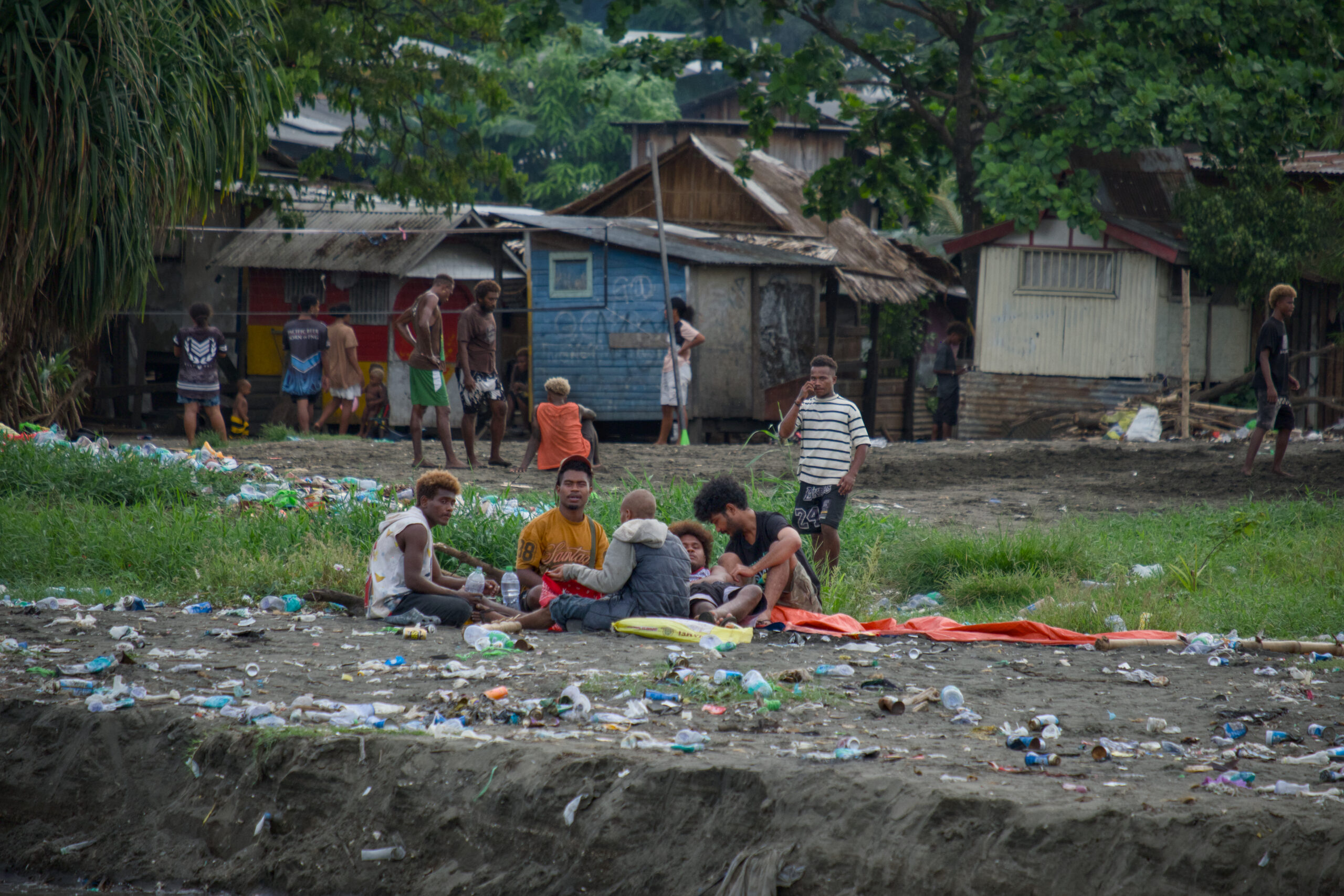
Some of the challenges faced by the local community include regular flooding of two-thirds of the area, increased disease and under-5 mortality, rubbish buildup and contamination, unsafe latrines, saltwater intrusion, and contamination of safe drinking sources.

In partnership with the Anglican Church of Melanesia (ACOM), this project aims to address some of these challenges by installing flood-safe latrines, establishing a rubbish collection scheme, installing biodigesters, focusing on health and hygiene education, and maintaining/constructing water catchment systems to meet water needs.

Partner with us to improve health and wellbeing in Ontong Java Settlement through your donation to our Water and Sanitation Programme.

Life in the Ontong Java Settlement Community.

Life in Ontong Java Settlement comes with many challenges, principle among them regular flooding events. Flooding in the settlement comes from three directions: the sea, the neighbouring river, and inland drainage issues. Almost two-thirds of the community is flooded with water during these events. This makes life for the residents vastly different from surrounding communities. Despite this, they remain extraordinarily resilient.

Because the water table is so high, it damages below-ground septic systems, preventing residents from building hygienic latrines, instead using pit toilets suspended above the river or sea. They also face rubbish buildup from increasing floods and drain blockage. This is compounded by regular coastal erosion, which is slowly shrinking the amount of inhabitable land.

Some of the strategies the community uses to cope with these challenges include building homes on stilts, building raised agriculture beds to prevent saltwater intrusion, and utilising water catchment systems which supply cleaner water than the nearby river.

However, community members have expressed a need for further assistance with climate resilience and sanitation, especially as climate change exacerbates and related problems increase. Through this project, we hope to offer practical solutions that prioritise accessibility, sustainability, and human dignity. By building latrines, installing more water tanks, establishing a rubbish collection scheme, and promoting health and hygiene education, the community will be better equipped to face challenges ahead.

Frequently Asked Questions

Ontong Java Atoll is an atoll island chain lying 450 kilometers North of Honiara. Comprised of around 2,000 residents, the atoll faces serious threats from climate change; sea-level rise, overcrowding, and challenging livelihoods have displaced many families.

These displaced families chose to settle on a small piece of land in the nation's capital, which is confined by a hospital to the East, a highway to the South, and the river and sea to the West and North. This small informal settlement is locally known as Ontong Java Settlement, and externally known by its colonially name, Lord Howe Settlement. Though the settlement's residents are closely connected to the atoll, it functions as an independent community.
Anglican Missions has been working alongside the Anglican Church of Melanesia (ACOM) to identify the most vulnerable communities in the Solomon Islands. Ontong Java Settlement was chosen for this project due to its critical vulnerability to both climate-induced and man-made threats.
All donations to our WASH programme go toward practical WASH solutions in the communities we work with. This often means the construction of latrines/ ablution blocks, constructing or installing water catchment systems, and promoting public health education.
Long-term impact comes from local ownership. The construction of flood-resistant latrines is a sustainable solution for sanitation and hygiene. By establishing a long-term rubbish collection scheme and encouraging drainage clearing, we hope to fix many of the flooding issues. Additionally, the project will be locally implemented and owned, meaning local residents will have the skills and capacity to maintain project activities.

Support WASH intiatives in the Ontong Java Community through your donation to our Water and Sanitation Programme

Donate Now.