
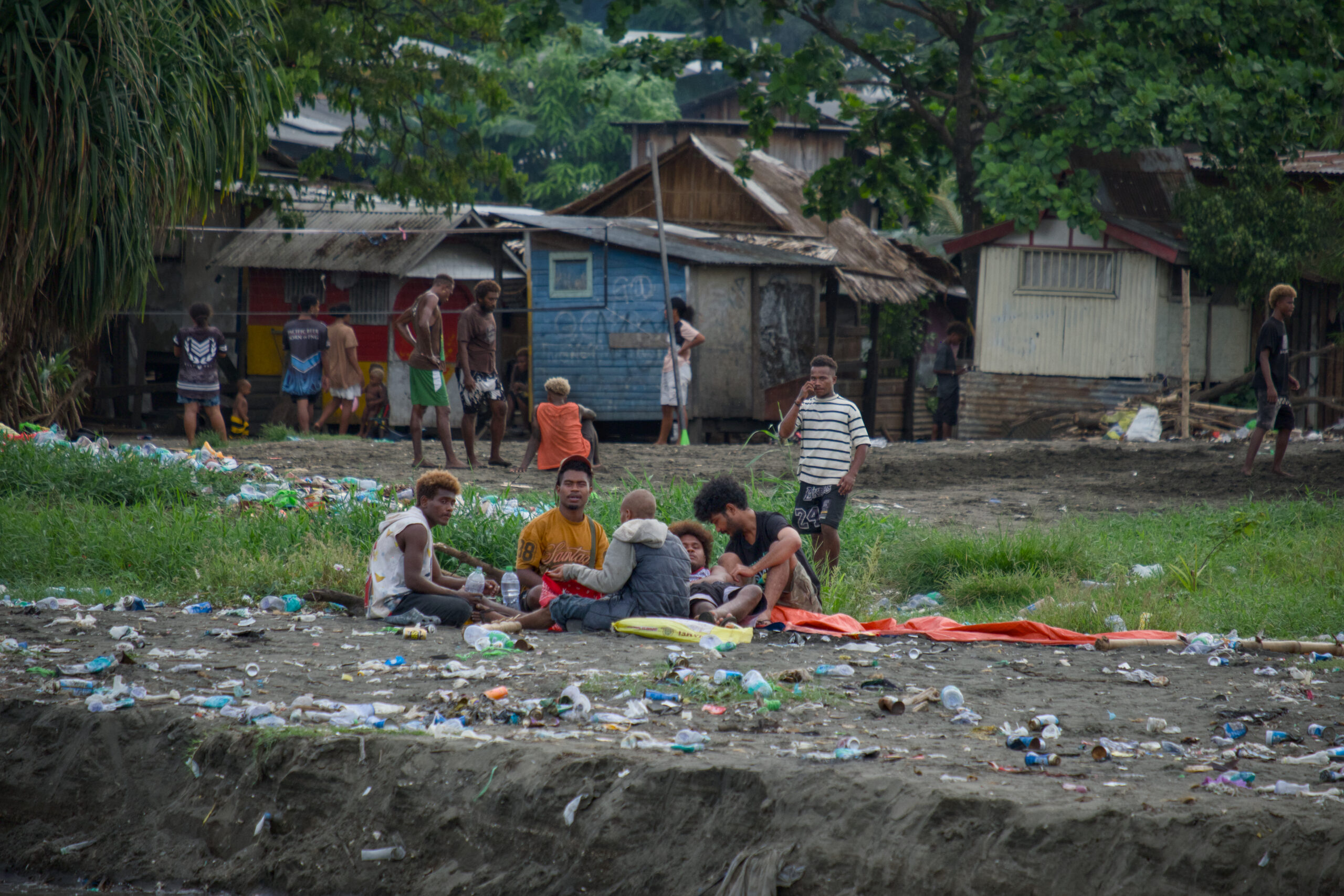
In September, Anglican Missions visited Lord Howe Settlement in Honiara to help turn a broad project proposal into a practical, community-led programme.
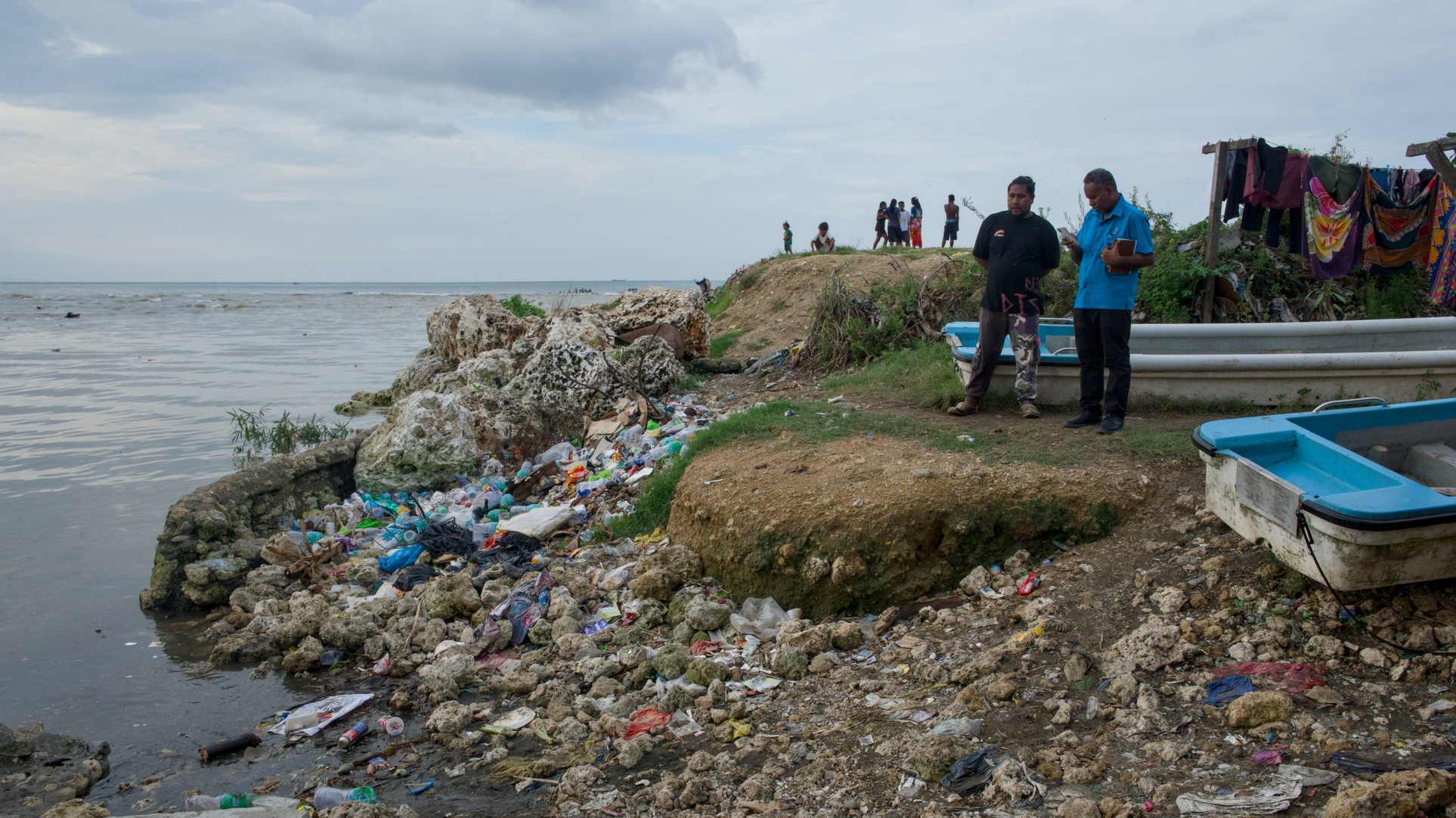
Sometimes known as Ontong Java Settlement, Lord Howe is home to more than 800 people with strong cultural and family connections to Ontong Java Atoll. The community lives within a densely populated area of approximately 2.8 hectares, bordered by the Mataniko River, the sea, a hospital, and one of Honiara’s main roads.
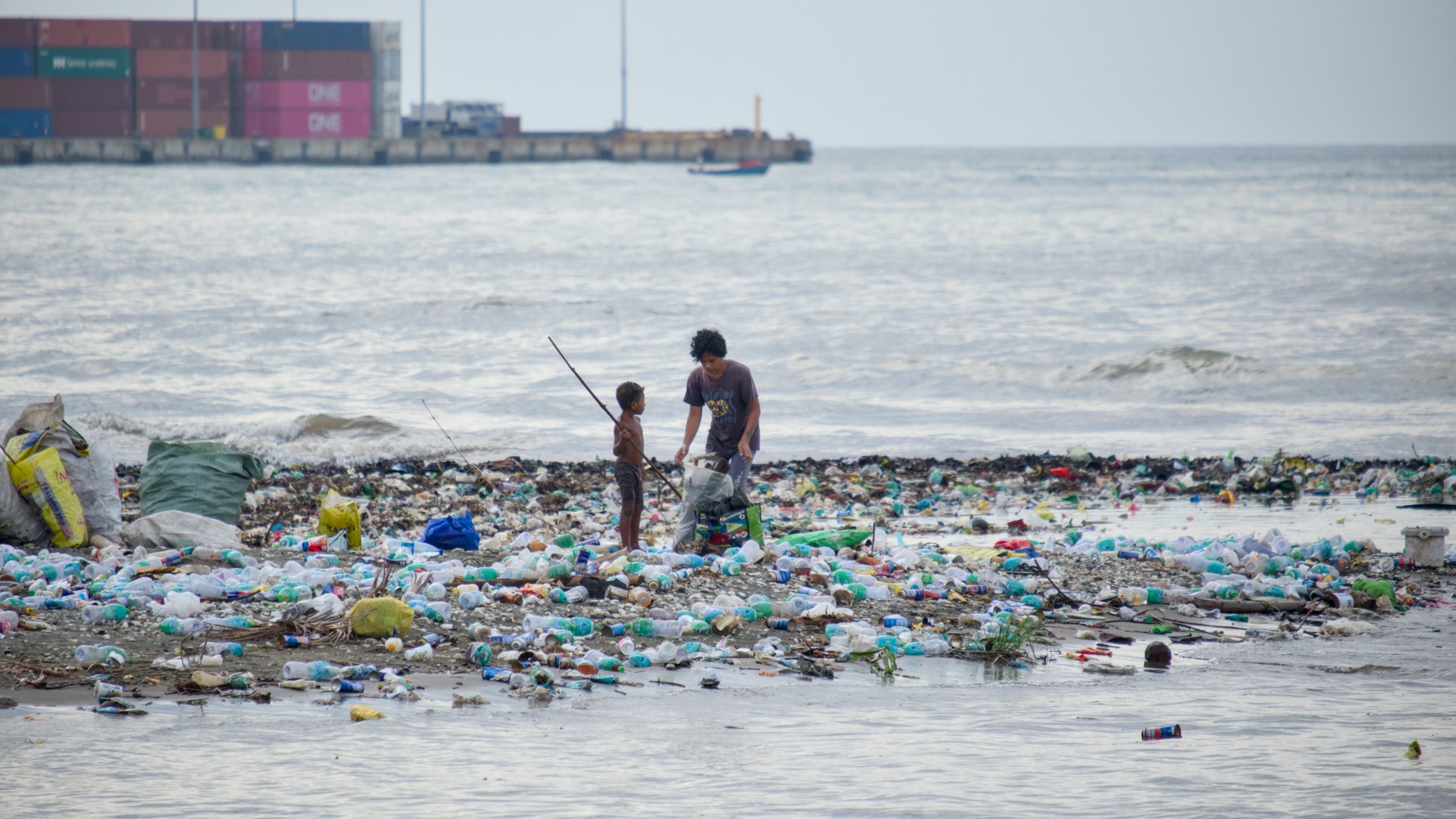
Regular flooding, a high water table, open drains, and accumulating waste create serious health and sanitation challenges. Conventional pit toilets are unsuitable, while plastic and other rubbish block waterways and increase the effects of flooding.
The visit enabled Anglican Missions and the Anglican Church of Melanesia (ACOM) to meet residents, church and constituency leaders, World Vision Solomon Islands, Kastom Gaden Association and potential technical suppliers. These discussions confirmed what the project should focus on and how it can complement work already underway.
What will happen next?
The first activity will be a community clean-up connected with the Season of Creation. World Vision has already supported local clean-up groups with four wheelbarrows, protective equipment, rakes and shovels. The project will help strengthen this work by providing additional equipment and supporting clear arrangements for its storage, care and continued use.
ACOM will then work with community representatives to establish or strengthen the groups responsible for sanitation, waste management, and other project activities. These groups will include representation from the settlement’s four wards and will help ensure that decisions and benefits are shared fairly.
The project will also investigate a small pilot of raised composting toilets on reclaimed land beside the settlement. By building just outside the most densely populated area, the pilot will allow residents to use the facilities and decide whether they are culturally acceptable and practical to maintain. Any toilets that are built will need to be resistant to flooding, well-lit, gender-disaggregated, and supported by clear arrangements for cleaning and waste handling.
Water activities will be coordinated with World Vision, which is already installing household water tanks. This will allow ACOM to identify and address remaining gaps without duplicating existing work.
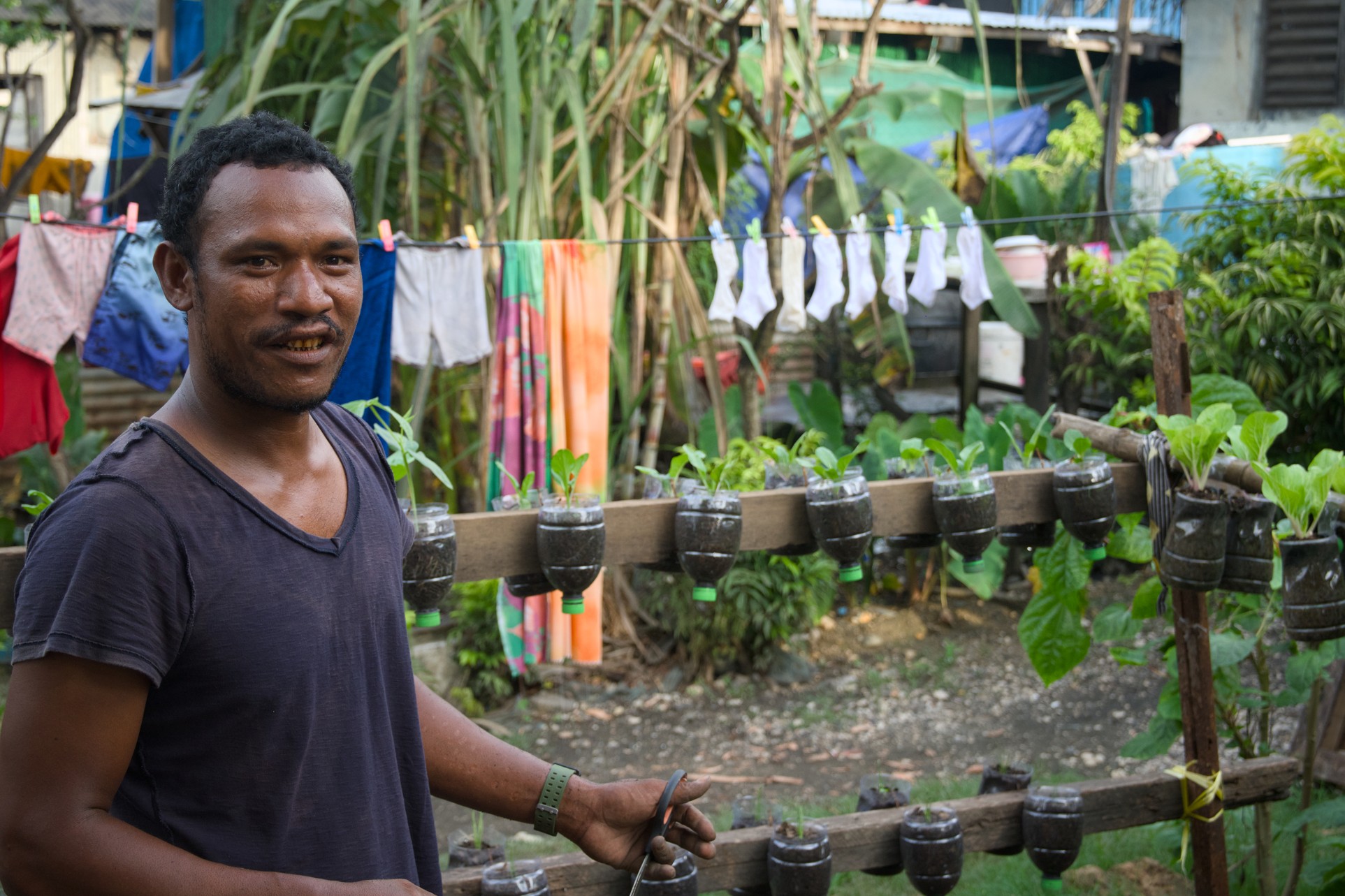
The project will also support community food production. Working with Kastom Gaden and local growers, it will strengthen an existing demonstration garden, provide continuing practical mentoring, and explore the establishment of a small nursery. The aim is to help households grow vegetables using methods suited to the settlement’s limited space and difficult soil conditions.
Plastic waste processing may be explored later as an extension of the clean-up programme. This will proceed only if a safe, affordable, and environmentally responsible option can be identified.
Local leadership at the centre
The Church’s strength lies in its lasting presence and relationships within the community. ACOM will lead project implementation, with Casper Duidui coordinating the work alongside clergy, community leaders, the Malaita Outer Islands Constituency and other partners.
The project is supported by a US$40,000 grant from the United Thank Offering. While the funding is modest compared with the scale of the challenges, it provides an opportunity to make targeted improvements, build local capacity, and develop sustainable approaches for long-term continuation.