Close

Health and Wellbeing

Healthy people lead to flourishing communities.

Donate Now

HOW WE HELP

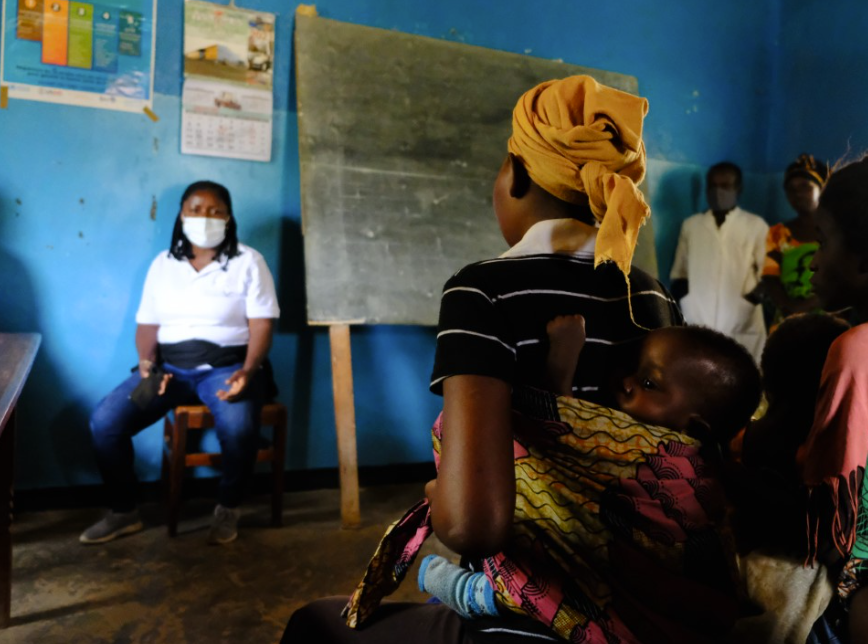
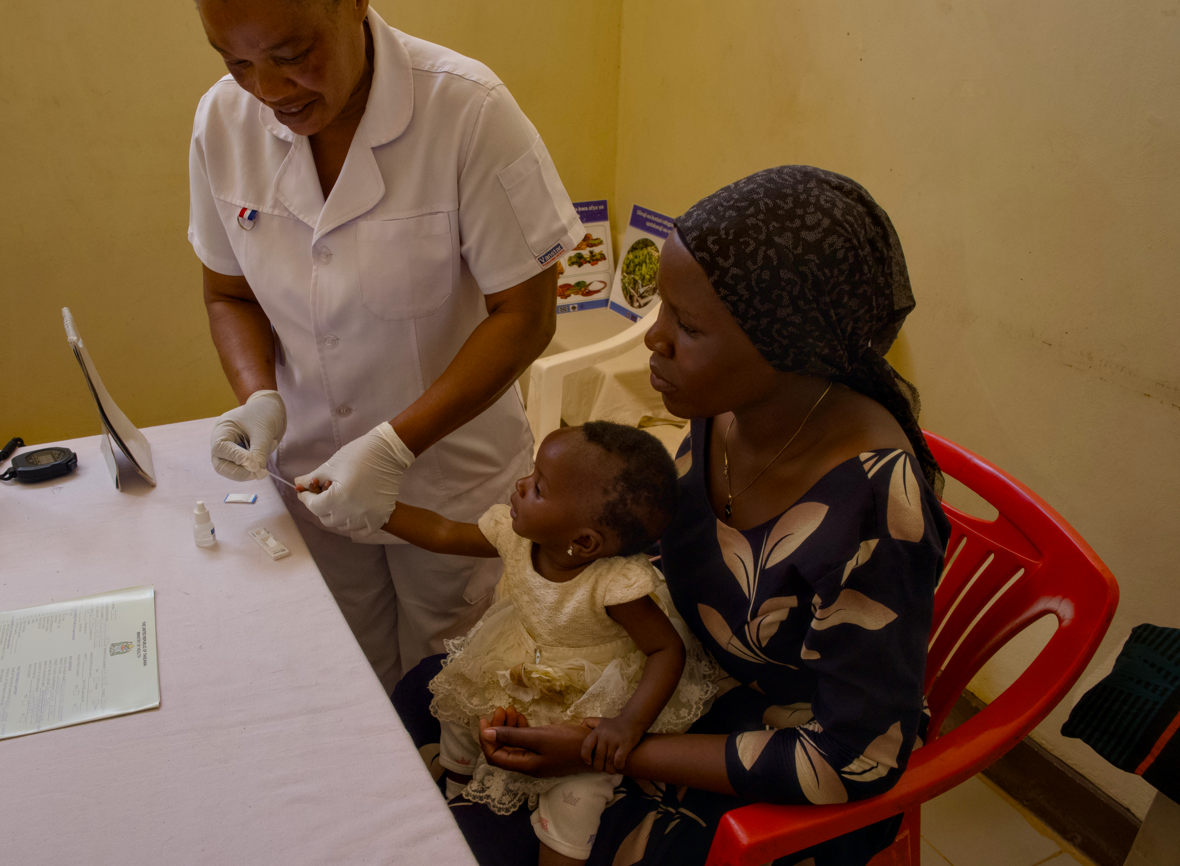
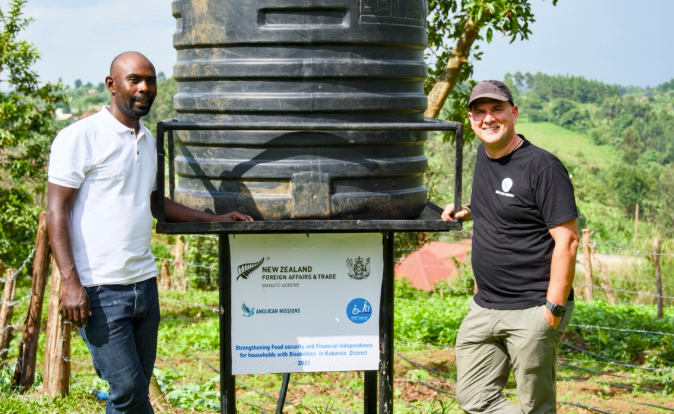
Anglican Missions works in vulnerable communities to improve the health of individuals and their wellbeing as a whole. We sometimes do this through our work in health facilities, where we facilitate infrastructure repairs or upskilling workshops. Other times, we improve wellbeing through public health education programs, improved safe water, and nutritious food harvesting practices. Many of the projects under our Health and Wellbeing programme also involve food and water interventions, as these practices are intertwined.

Partner with us in our work toward healthier communities through your support to the Health and Wellbeing programme

Rural Health Centres are Often Underserved

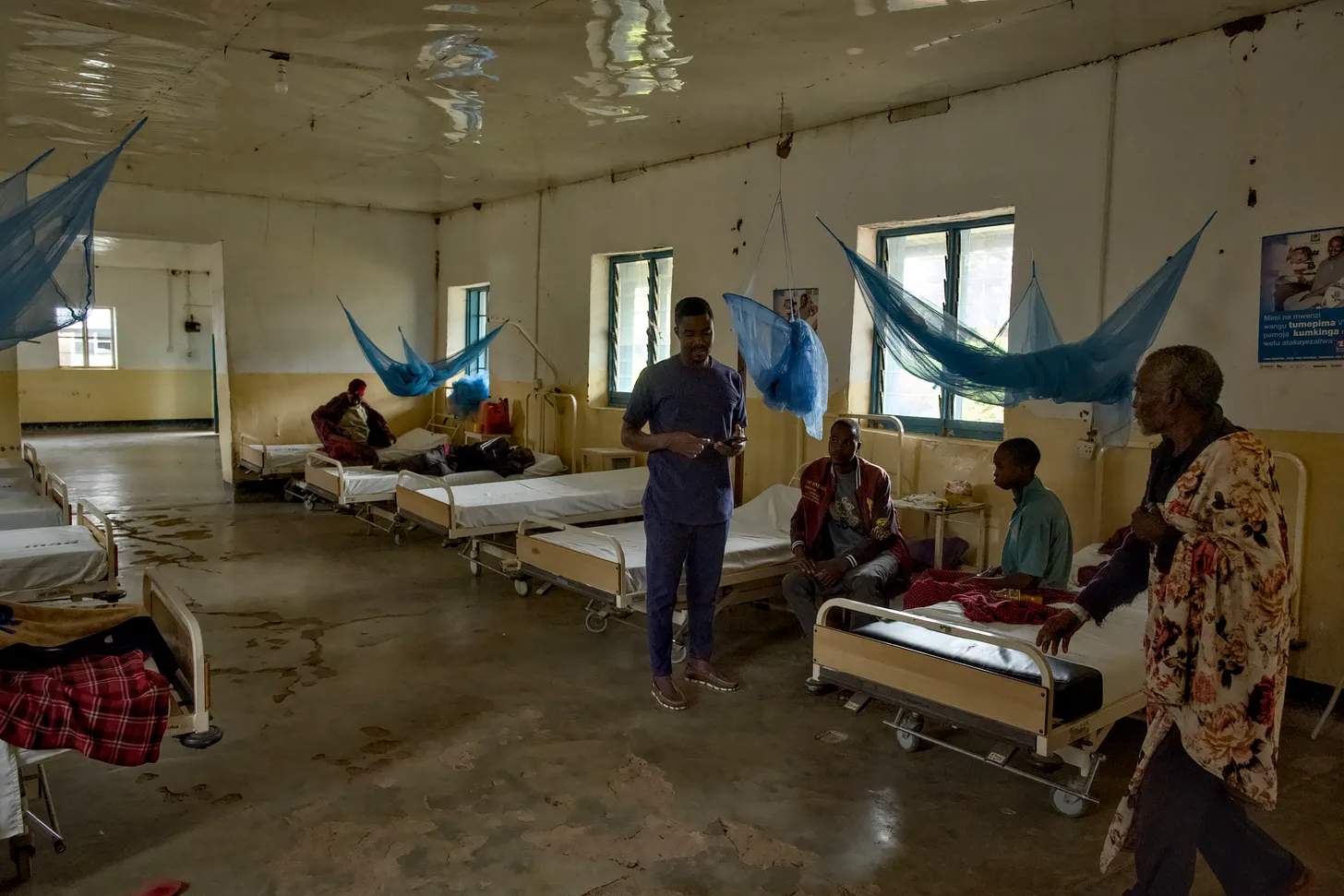
Rural health centres still lack the supplies and infrastructure to perform the most basic kinds of primary care.

Our role in enhancing health centre capacity.

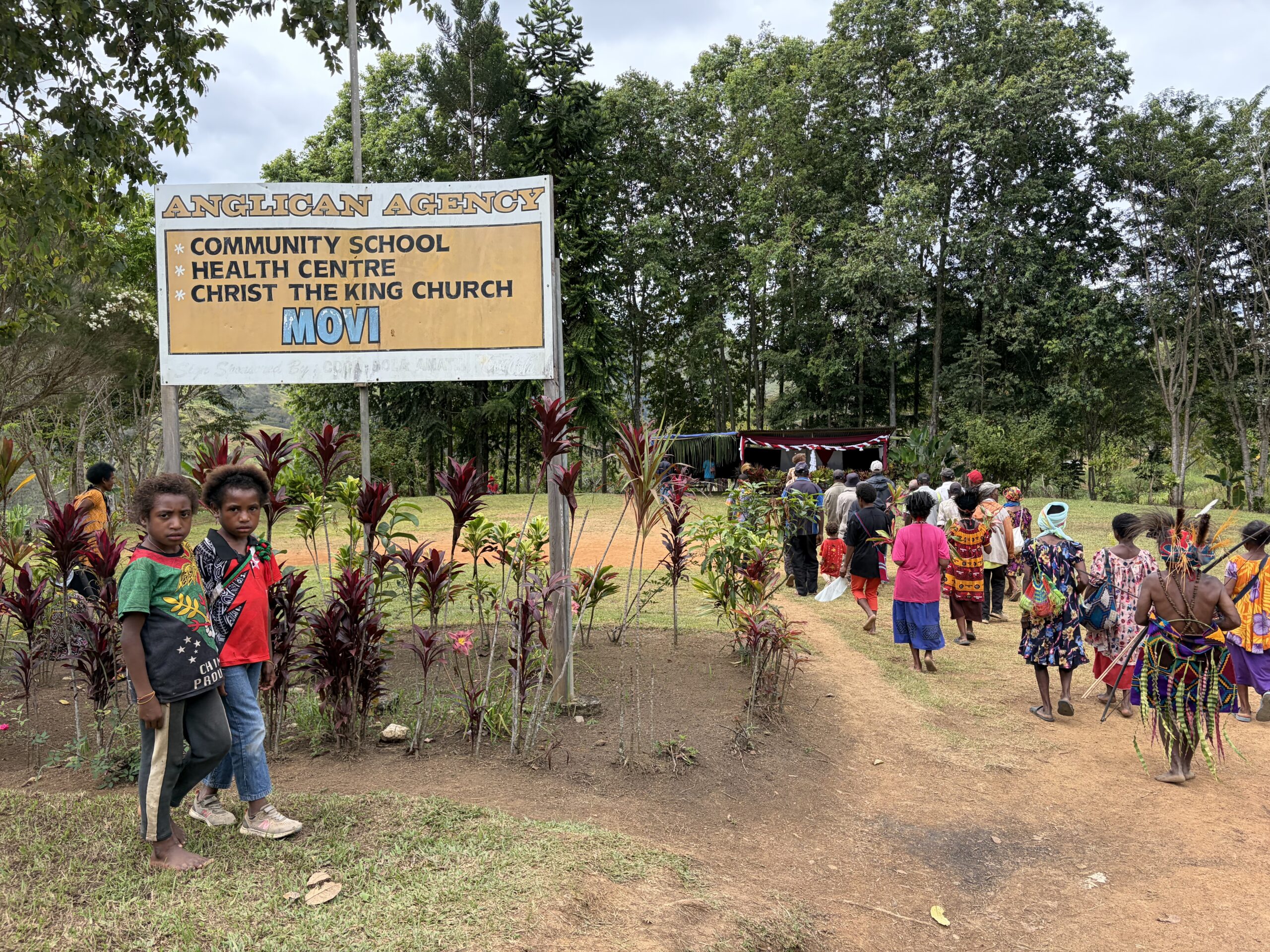
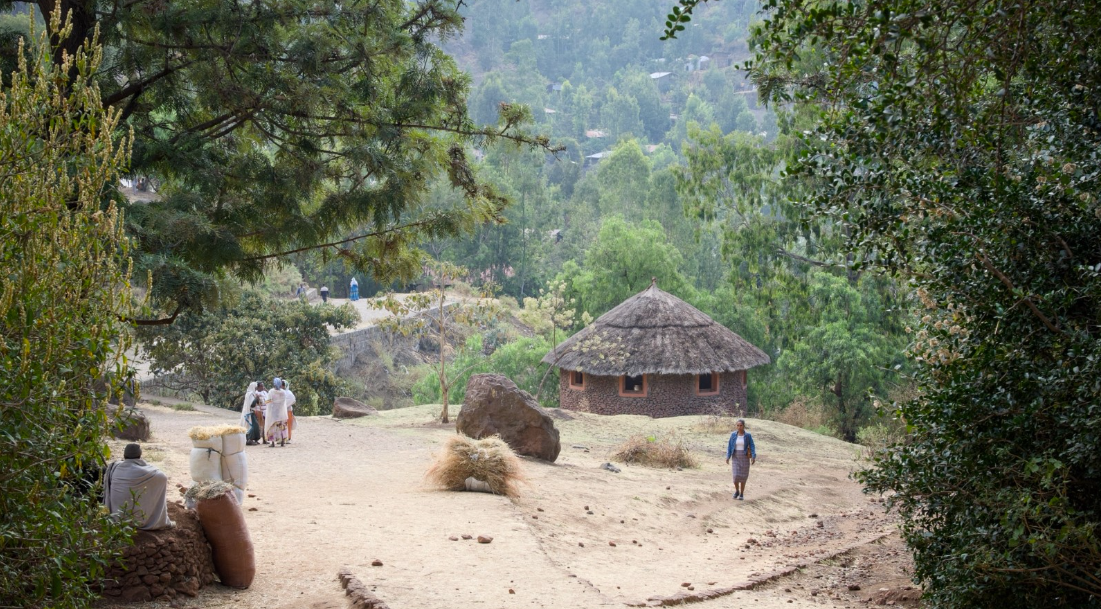
Many rural or vulnerable communities lack local health services entirely, and are forced to commute long distances to the nearest facility. For example, in Papua New Guinea, over 80% of rural residents lack adequate access to health facilities, often relying on hours of travel. In communities like these, we often introduce public health education programs to increase public awareness and decrease instances of preventable diseases.


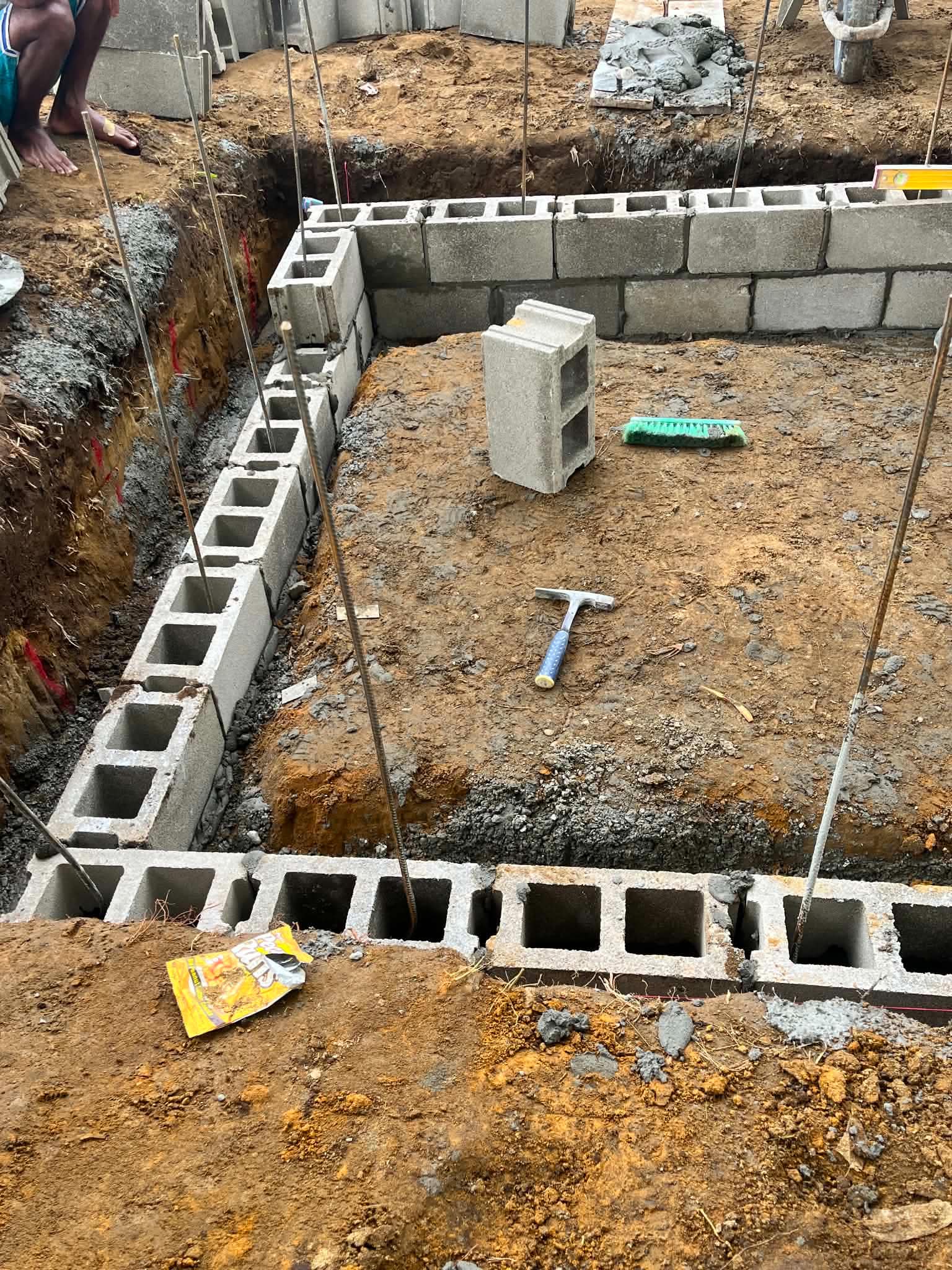
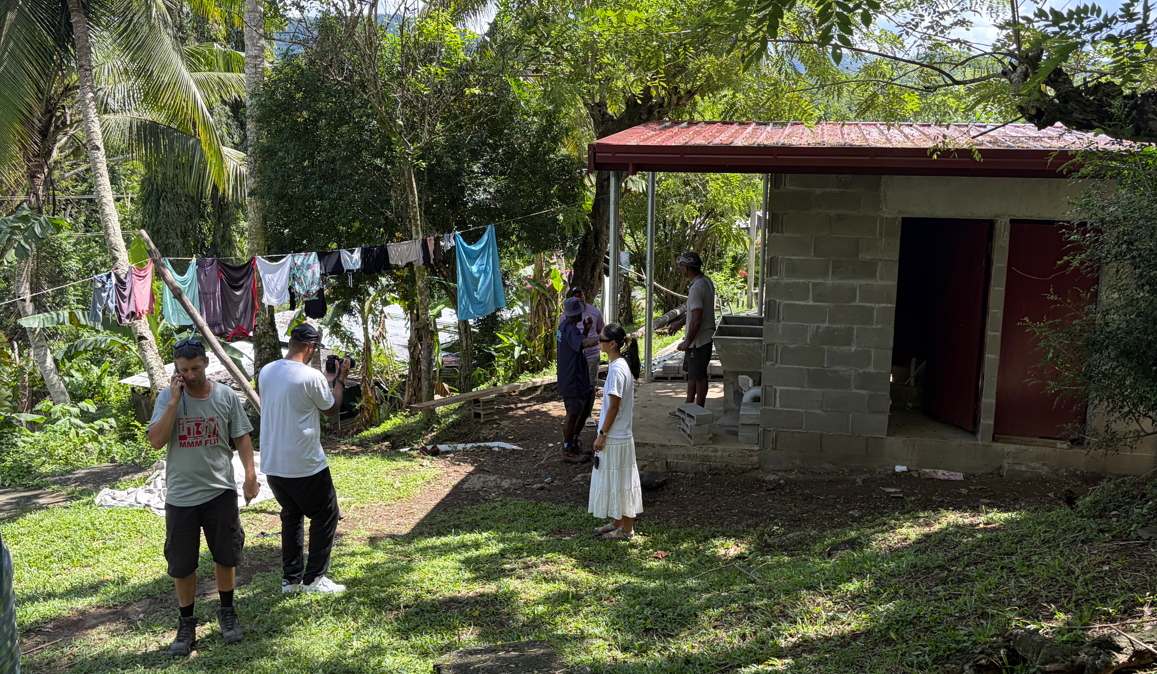
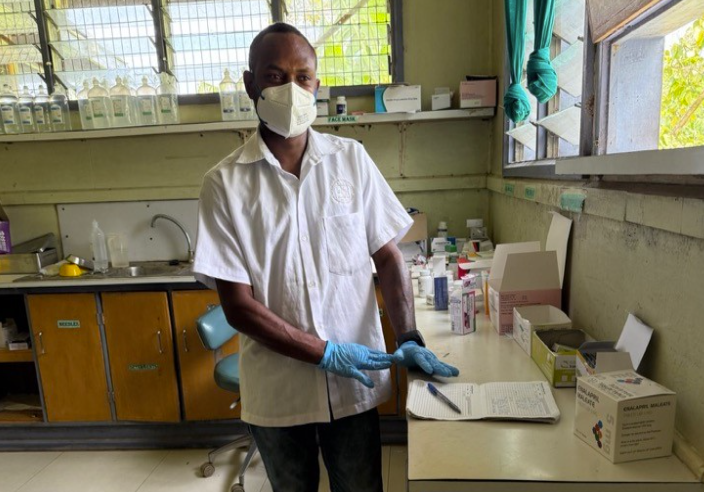
In other vulnerable communities, any existing local health centres consistently face degrading infrastructure and shortages in supplies. In these communities, we focus on ensuring that there is access to safe water, regular electricity, and needed medical supplies. Though Anglican Missions is not innately a health aid agency, we have found that improving health-related infrastructure and focusing on community education and capacity are effective ways for us to make a positive difference in the wellbeing of the communities we serve in.

People wonder...

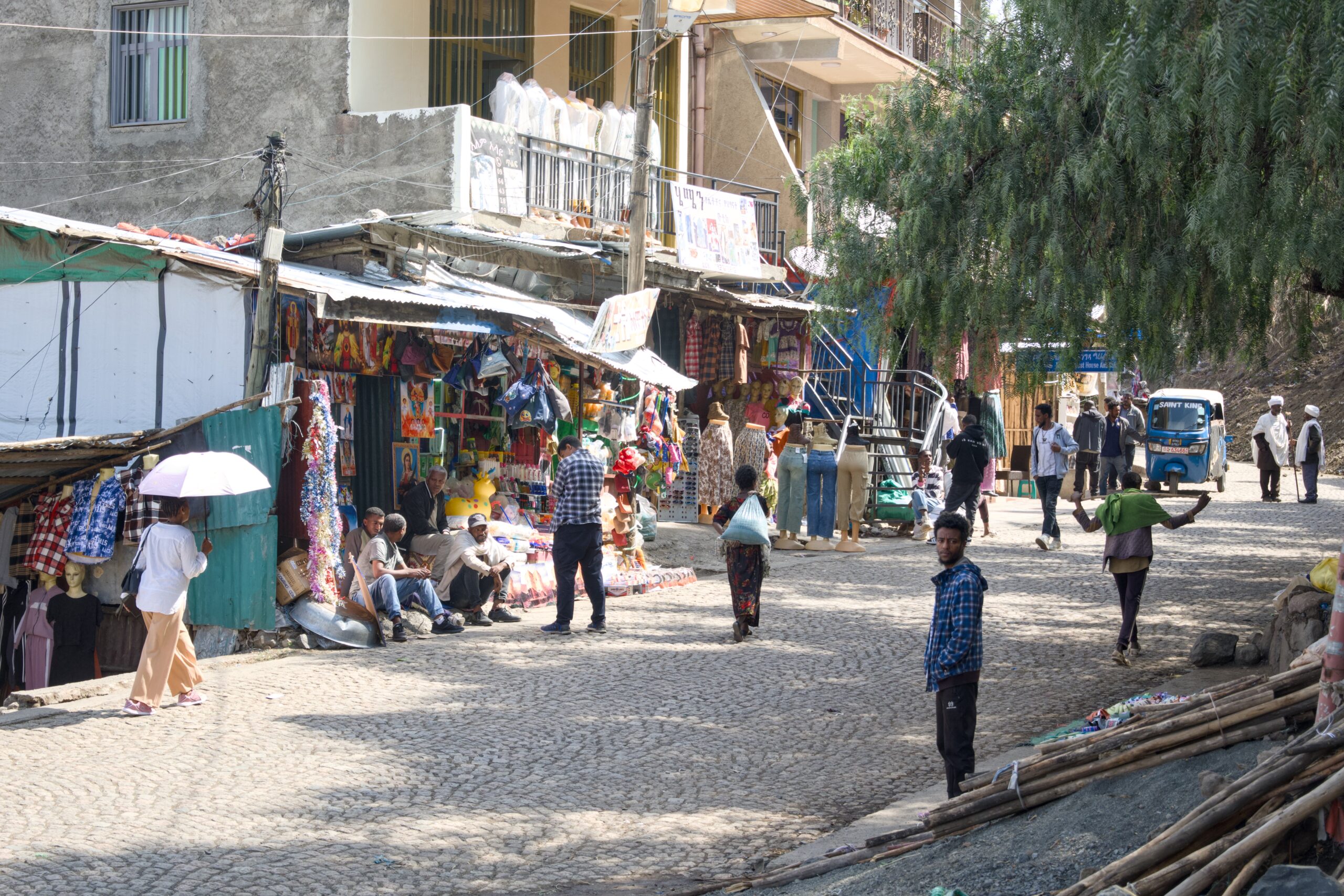
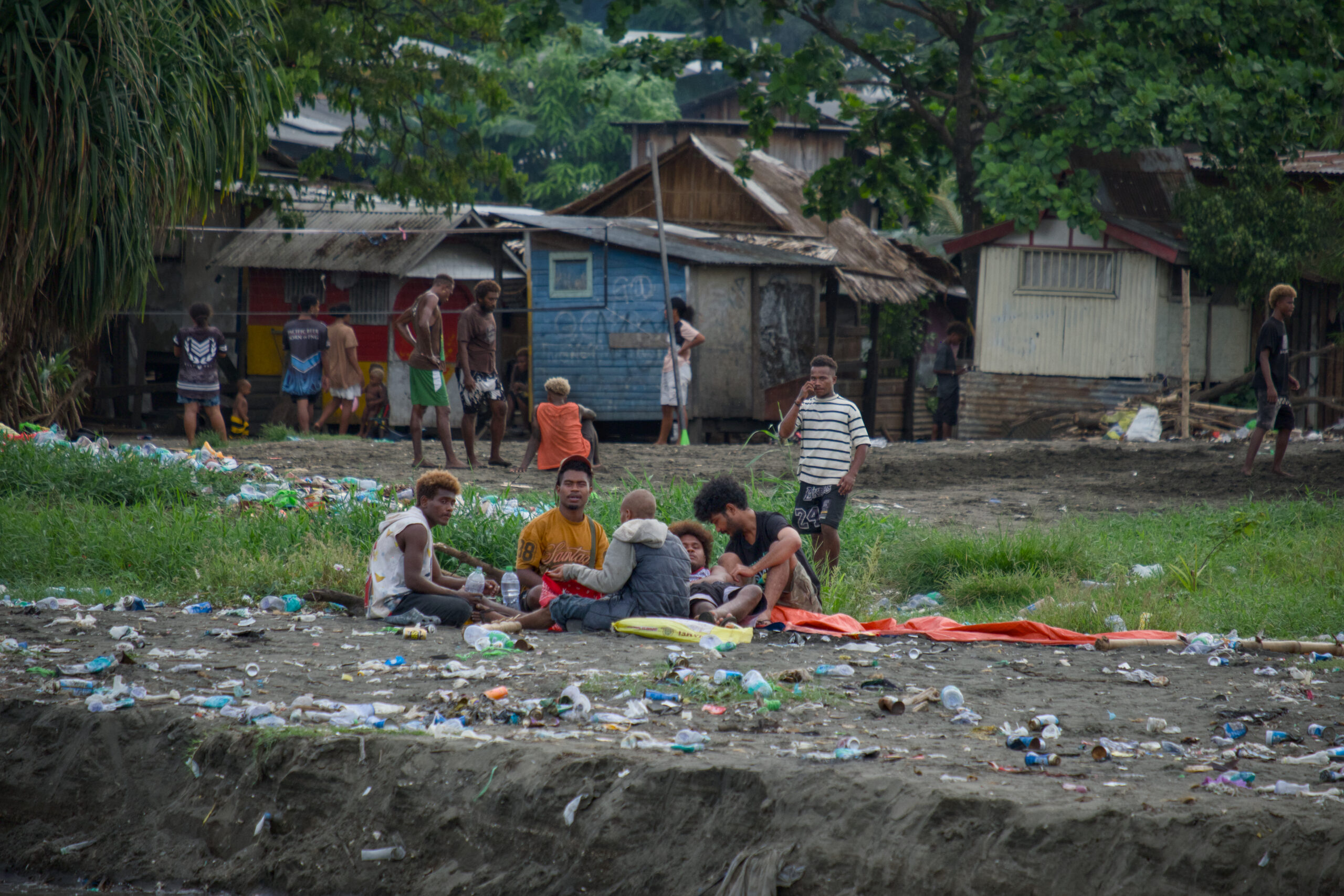
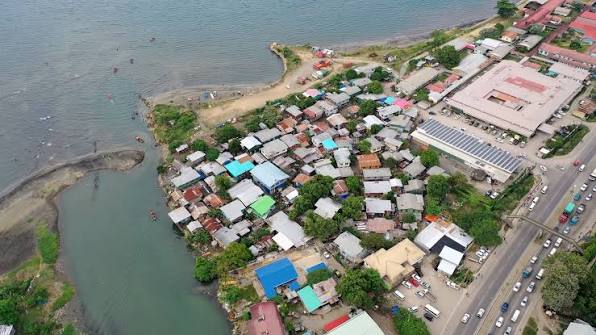
In rural communities, especially those that are more vulnerable to the effects of climate change such as coastal villages, it is extremely difficult for community members to maintain hygiene and sanitation. This is often due to contaminated water sources, unhygienic latrines and leaky septic systems, and regular flooding bringing disease-ridden bacteria into public spaces.

This is compounded by the tendency for rural communities to experience geographic isolation, supply shortages, and socioeconomic barriers. Because of this, they not only experience higher rates of preventable diseases, but are unable to treat them sufficiently, further deepening their vulnerability.
Long-term relationships and change are at the core of Anglican Missions’ work. We work to ensure our projects create lasting change by: Working through local churches. This means that the project is built on community voices and addresses true need straight from the start. Building church capacity also equips the church to replicate the project and pass knowledge on far into the future. Working through local champions. Anglican Missions seeks to identify community champions early into the project design. In doing so, these champions can identify specific needs, choose the best solution, and rally the community to remain engaged and passionate long after the project’s end. Focusing on training and education. Climate solutions aren’t helpful to a community unless they understand how to use them. Thus, our project activities concentrate on community capacity, knowledge, and engagement.

Love in action.

Anglican Missions expresses mission through our international project and humanitarian aid work. Check out some of these below:

News

News from the Mission space.
Click here to read more articles

Support our Health and Wellbeing Programme

Donate Now