Close

Water and Sanitation

Water and sanitation are essential for healthy, resilient communities

Donate Now

How we Help

Anglican Missions works with households, communities, and local churches to improve access to safe water, sanitation, and hygiene (WASH).

Our WASH work focuses on practical, locally appropriate solutions such as reliable water supply, safe sanitation facilities, hygiene promotion, and community training, helping families stay healthy, reduce preventable disease, and build resilience in the face of climate and environmental change. 

Partner with us to improve access to safe water and sanitation through your donation to our Food and Livelihoods programme.

Water and Sanitation are vital for health

Safe water and sanitation play a critical role in preventing disease. 

Disease Prevention.

Without the appropriate facilities to wash hands and dispose of human waste, communities are exposed to serious health risks.  A lack of safe water and access to clean sanitation remains a leading contributor to preventable disease, particularly diarrhoeal illness affecting young children. Diarrhoea accounts for approximately 9% of all deaths in children under the age of five.

Anglican Missions works alongside communities and local churches to improve access to safe water and sanitation. Our focus is on reducing exposure to disease to decrease the frequency of sanitation-related deaths. 

Practical Approaches to Improve Access to Water

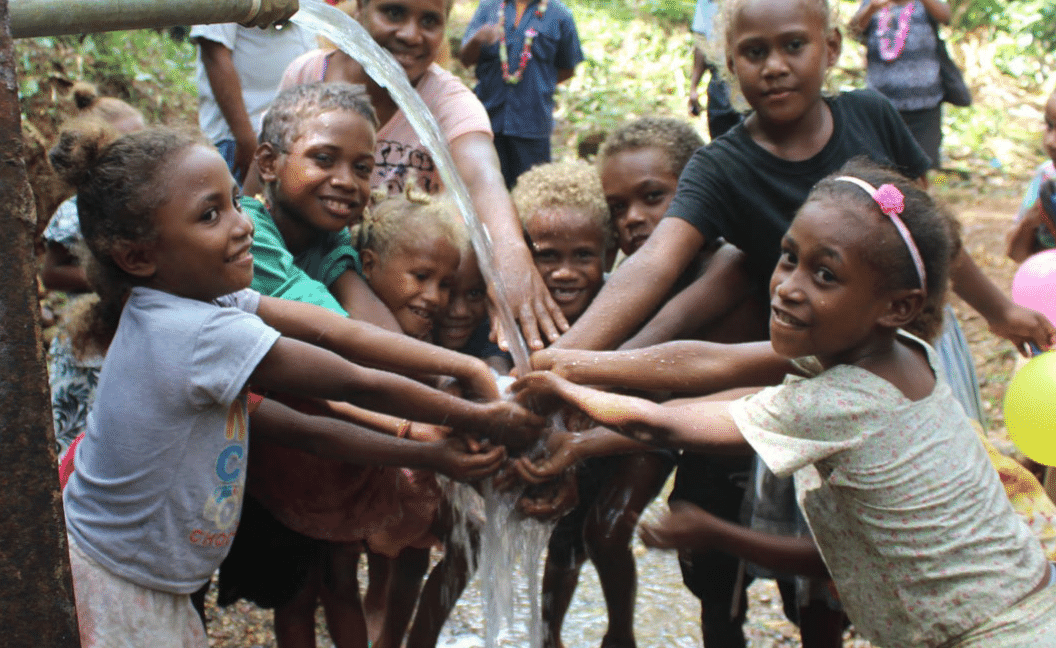
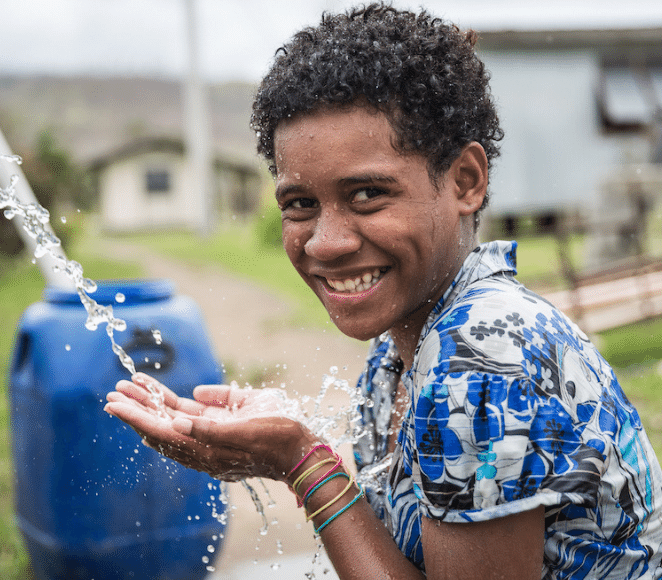
Safe water is vital for drinking, cooking, hygiene, growing food, and caring for animals and the environment around them. 

Not Enough Water.

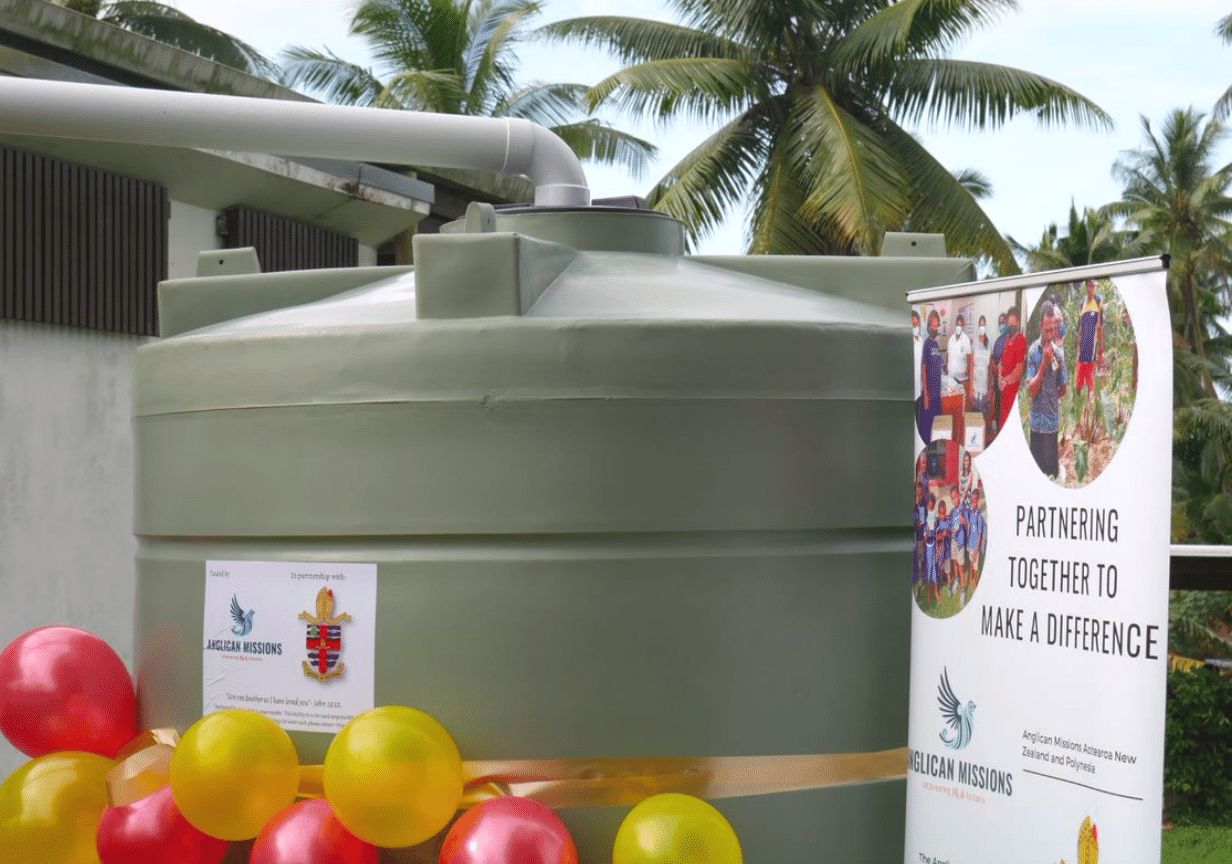
Communities have insufficient daily access to water due to geography, climate variability or limited infrastructure.  Practical support such as storage and tanks, rainwater catchment systems, water filters, hand-washing taps and community health and maintenance can significantly improve water security.  

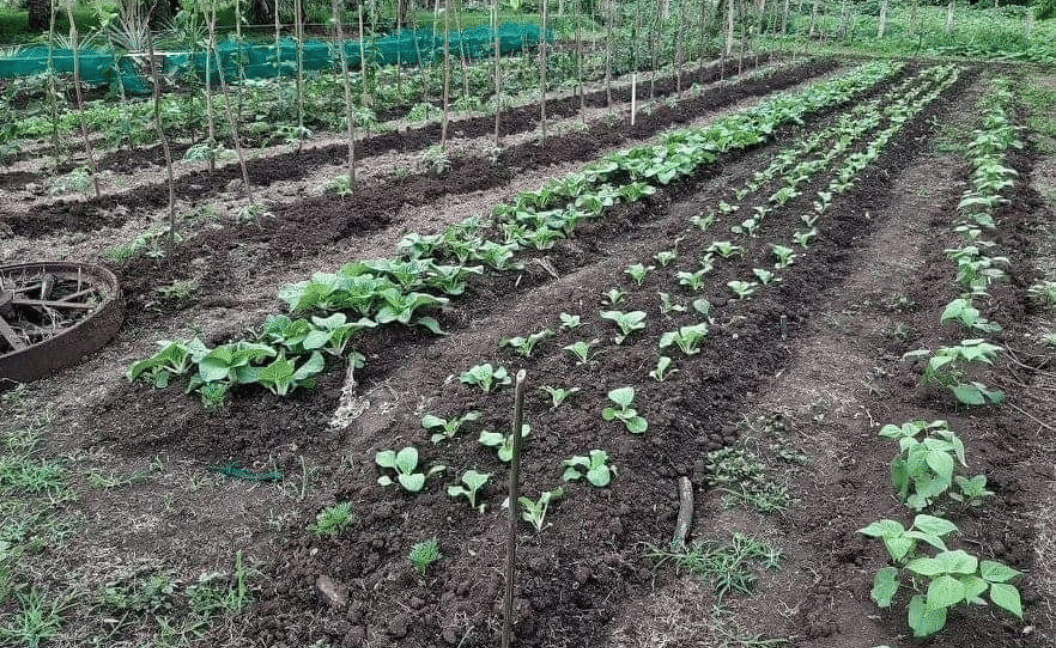
In areas where rainfall is unreliable or seasonal water access is closely linked to food security, technologies such as drip irrigation can support food production while making efficient use of limited water supplies.    

Practical Approaches to Improve Sanitation and Hygiene

Sanitation and Hygiene are vital for health and dignity. 

Health and Dignity.

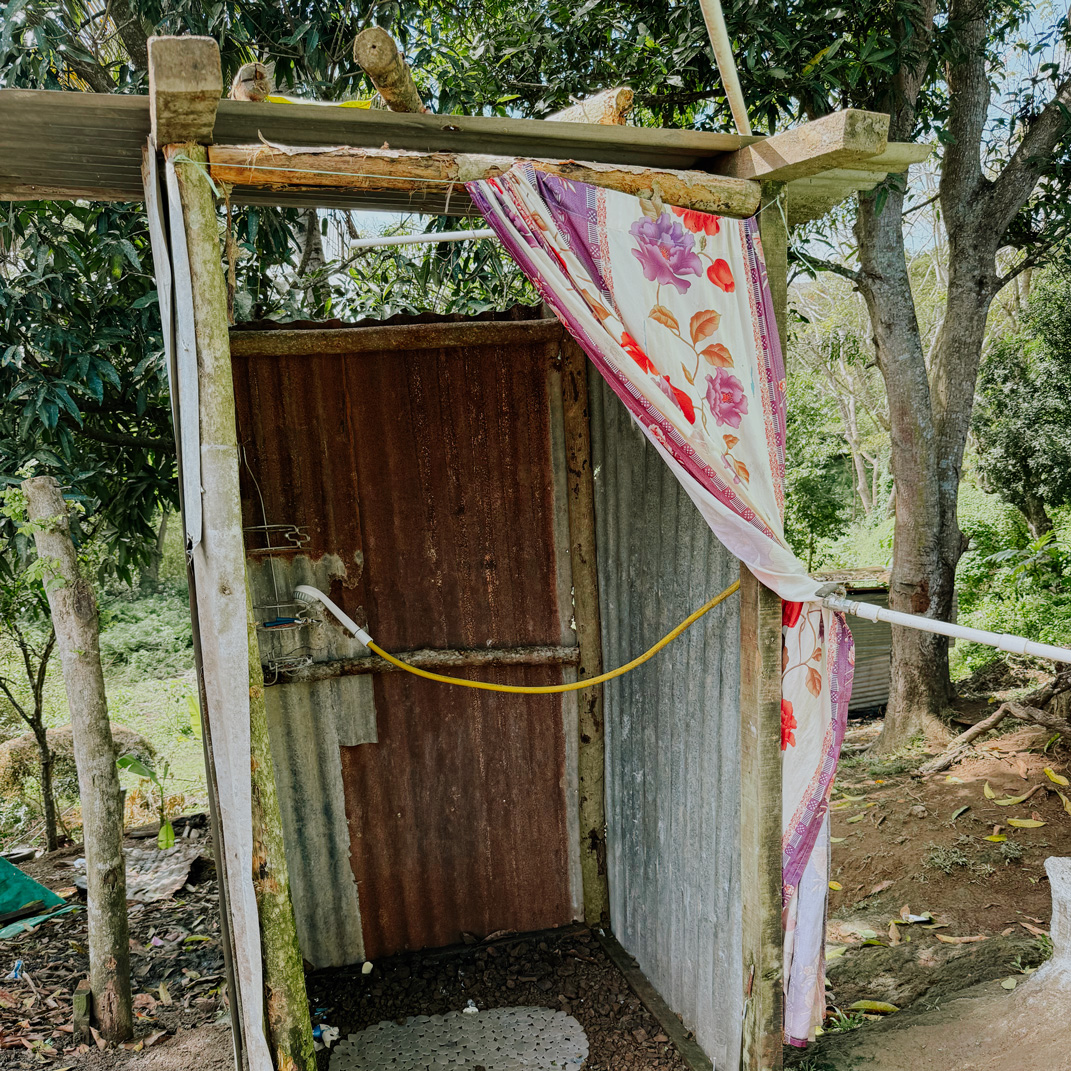
Our projects prioritise latrine construction, health education, and access to safe water. Anglican Missions works with local churches, partners, and communities to support sanitation solutions that take account of local conditions. This includes flood risk, soil type, cultural practices, and accessibility needs. Solutions may include improved latrine design, hygiene education, and access to safe cleaning materials, particularly for menstruation.

Healthy and sustainable menstrual products and menstrual health education ensure that women and girls can live confidently and with dignity. Projects that provide hygiene solutions are effective ways to promote hygiene, prevent disease, and champion community flourishing. 

People wonder...

Access to safe water and sanitation facilities is shaped by environmental conditions, financial capacity, infrastructure, cultural practices, and access to technical support.

Climate change is intensifying these challenges through prolonged droughts, widespread flooding, and rising sea levels affecting water sources communities have relied on for generations. Traditional water sources and sanitation practices may no longer be viable as they increase health risks, particularly during extreme weather events.

Strengthening local capacity and working through trusted community structures, including churches, is central to improving water security in a changing climate.
“Safe” water is free from bacteria and chemical contaminants that are harmful to consume. “Clean” water is visibly clear and free from debris, but it may still contain invisible and harmful pathogens. Thus, water can be clean but unsafe, while safe water may sometimes appear murky. All sources of drinking water must meet the “safe” standard and should be tested and treated.
Anglican Missions draws on community experience and on internationally recognised good practice, including the Sphere Standards, to guide our work. Sphere provides minimum standards for water, sanitation, and hygiene in varying humanitarian contexts, helping ensure that responses protect health and dignity.

Alongside this, we work with communities, local partners, and technical specialists to assess environmental conditions, climate risks, existing infrastructure, and cultural practices.
Long-term relationships and change are at the core of Anglican Missions’ work. We work to ensure our projects create lasting change by:

1. Working through local churches. This means that the project is built on community voices and addresses true need straight from the start. Building church capacity also equips the church to replicate the project and pass knowledge on far into the future.

2. Working through local champions. Anglican Missions seeks to identify community champions early into the project design. In doing so, these champions can identify specific needs, choose the best solution, and rally the community to remain engaged and passionate about the activity and its success.

3. Focusing on training and education. Supplying a community water tank won’t be sustainable unless the community is aware of how to maintain it. Thus, our project activities concentrate on community capacity, knowledge, and engagement.

Water and Sanitation Resources

Resource blurb

Water and Sanitation Poster 2024

Love in action.

Anglican Missions expresses mission through our international project and humanitarian aid work. Check out some of these below:

News

News from the Mission space.
Click here to read more articles

Our Mission is International.

Our work takes us into all parts of the world, and calls us to proclaim the love of God without discrimination and to whoever needs it.

Click the map pins to explore our work in different parts of the world.

NZCMS Mission
Partners Supported

PEOPLE GIVEN A
PLACE TO WORSHIP IN TANZANIA