
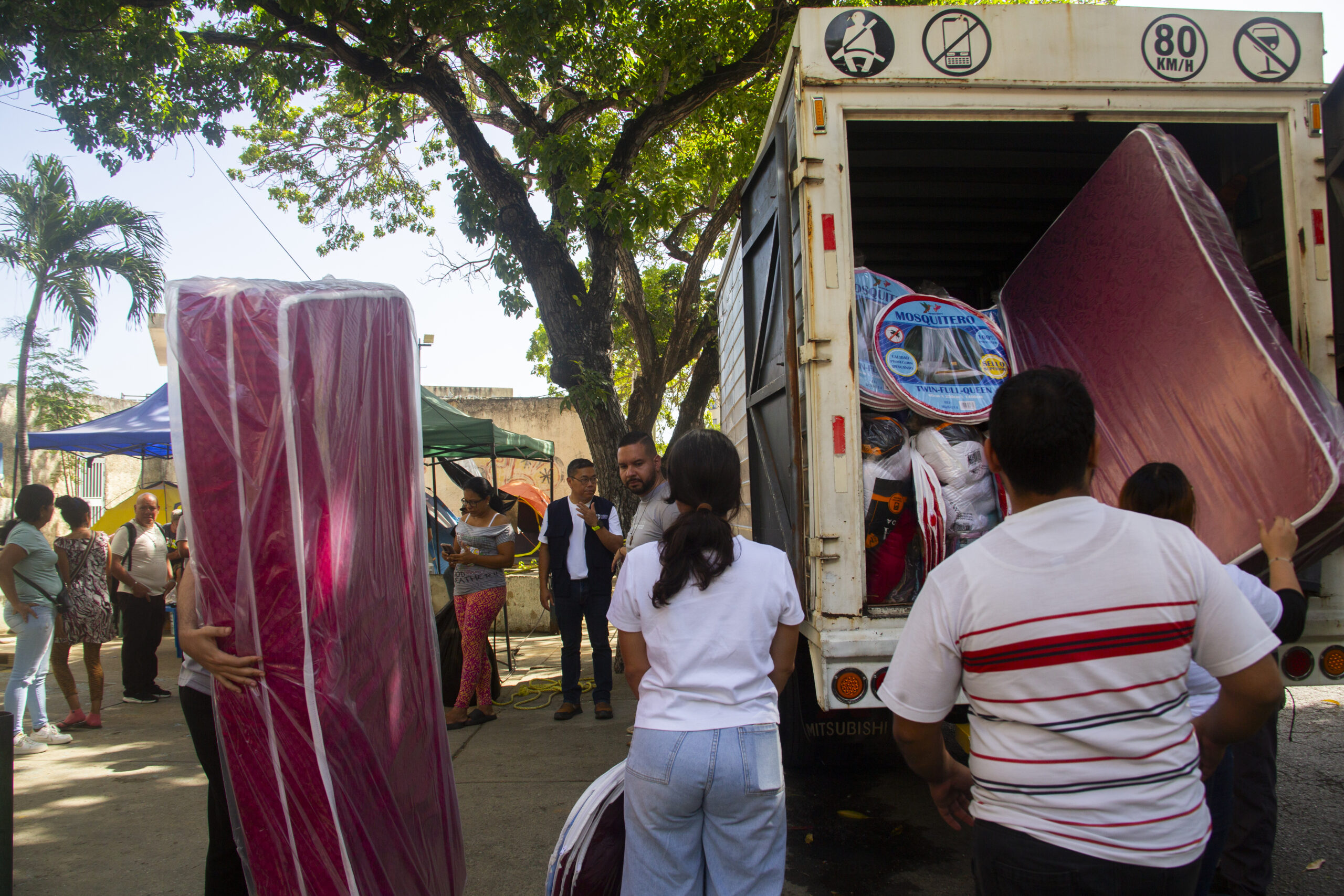
It has been a month since two devastating earthquakes hit Venezuela on June 24th, 2026.
The death toll has risen to over 5,200 people, with 16,740 people injured, and thousands still missing.
A recent article by the Episcopal News Service details the Episcopalian efforts that have been made on the ground to support affected families. The recovery process, according to Litoral Ecuador Bishop Cristóbal Olmedo León Lozano, who serves as provisional bishop of Venezuela, will take “a long time.”
“There is uncertainty regarding Venezuelans’ emotional and spiritual well-being – uncertainty stemming from the pain of losing a family member and from not receiving immediate aid or the specific type of aid they need… They are living in a state of despair,” Lozano told Episcopal News Service in a July 15 in-person interview in Spanish.
Episcopalian Recovery Efforts

Post-disaster, the Anglican Alliance responded quickly to the stark need expressed by the Diocese of Venezuela; with the support of Anglican Missions, they opened an emergency appeal to raise money for the humanitarian aid efforts of the local diocese. In the past month, this monetary support has enabled Anglican groups to deliver not only direct food and medicine assistance, but to establish long-term trauma and care services for grieving families.
Locally, Lozano and church leaders in Venezuela organized a diocesan earthquake response team, which is now being led by the Rev. Jose Francisco Salazar.
The diocesan centre is now open as a collection centre with supplies for rescue personnel and anyone in need. Episcopalians have volunteered to distribute some of the supplies. The neighboring Bogotá-based Diocese of Colombia has been collecting money, medicine and other goods, to deliver across to border at the earliest opportunity.
The Rev. Rodolfo Albarran, a deacon who leads the Misión Santos Ángeles Custodios, is coordinating pastoral, medical and community responses with public and private organizations.
Albarran, Salazar, and Jiménez de Salazar have launched a project called Emotional and Spiritual Support, which has mobilized a team of psychologists to provide mental health support to people who’ve lost loved ones in the earthquakes.
Rebuilding people’s livelihoods, Lozano said, will take “much longer” than rebuilding their houses.
Moving Forward
As time passes and families continue to grieve, the long-term emotional and spiritual support of the church remains a vital resource for local communities. Anglican Missions is committed to working alongside the Anglican Alliance to continue standing with the Diocese of Venezuela in solidarity.
According to Lozano, “The best kind of constant prayer right now is one that asks God for spiritual and emotional stability and rebuilding… It means so much to the people of Venezuela.”
** Excerpts from the Episcopal News Service article titled “Venezuela Episcopalians’ earthquake response includes long-term emotional, spiritual recovery” were used in this article.