Close

Food and Livelihoods

For millions of people, hunger is their day-to-day reality.

Donate Now

How we Help

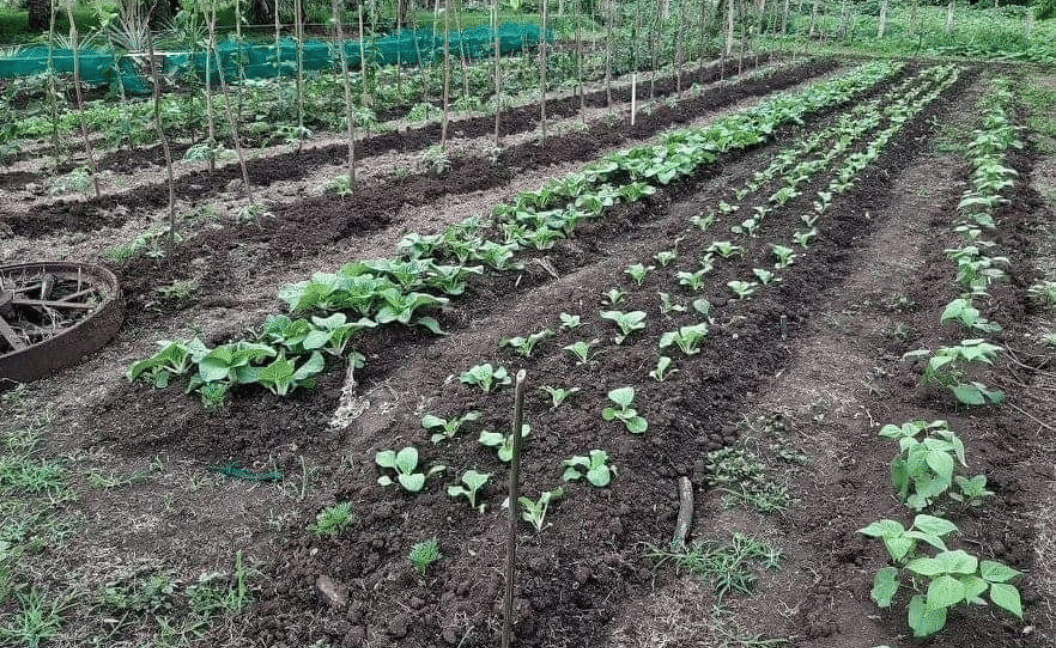
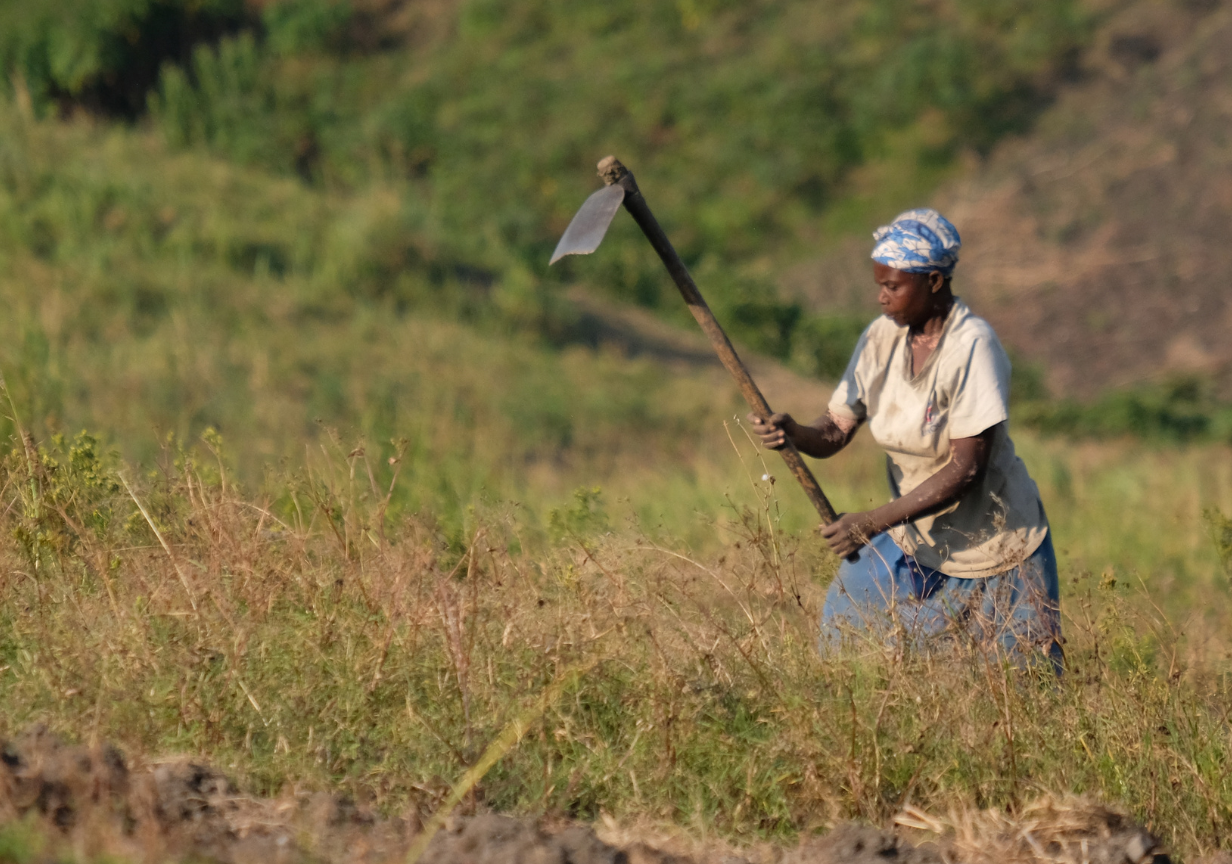
Anglican Missions works with households, communities, and local churches to improve nutrition and food security. Our work focuses on strengthening household food production and livelihoods, enabling families to grow enough nutritious food for their own needs and generate income through local markets. 

Partner with us to support sustainable food systems and livelihoods through your donation to our Food and Livelihoods programme.  


MANY COMMUNITIES FACE INCREASING UNCERTAINTY

The reality for many rural communities at the forefront of climate change is that daily food security depends on several factors.


Rainfall and Crops.

Many factors influence daily food security, including sufficient rainfall for growing nutritious food,  agricultural yields, and the impacts of conflicts and natural disasters. 

Providing food goes beyond just satisfying hunger- rather, it addresses the systemic inequalities of communities at the forefront of climate change. Communities that previously relied largely on subsistence farming are increasingly impacted by increased temperatures, rising sea levels, and extended periods of drought, resulting in lower yields. These pressures also reduce the nutrition and diversification of crops, placing pressure on health and wellbeing. 

FOOD IS A CULTURAL FOUNDATION

Food choices are shaped by culture as well as availability. 

Contextual Importance.

Local crops are the foundation for many cultural practices, relationships, and ways of life. In some Pacific contexts, crops such as taro are becoming harder to grow due to rising sea levels and saltwater intrusion. As climate change affects the reliability of these crops, households face difficult choices that are not only economic, but cultural and nutritional. 


Our work recognises these realities by supporting food production and livelihoods in ways that respect local preferences, while helping families adapt to changing conditions and maintain healthy diets. 

SUSTAINABLE AGRICULTURE IS KEY TO CLIMATE RESILIENCE 

We support training in strategies such as climate resilient crops, drip irrigation, and small-scale diversified gardening to help households cultivate crops more successfully, strengthen nutrition, and build resilience to climate variability.  

People wonder...

The impacts of climate change on crops vary by location. Increased temperatures can make crops more vulnerable to heat stress, drought, and pests. Changes in rainfall patterns can disrupt pollination cycles, degrade soil health, and lower the nutritional quality of a crop. Additionally, rising sea levels present a significant challenge for agriculture in low-lying communities, as saltwater intrusion renders many crops unviable.
“Subsistence” refers to producing or gathering resources primarily for household use rather than for sale. Many communities whose livelihoods are for subsistence depend directly on natural resources such as land, water, wild game, fish, and crops. These livelihoods are not connected to the global market, as the goal is not to trade, but rather sustain. However, communities and individuals who live off subsistence are increasingly suffering as natural resources shift and degrade in response to climate change.

While local and global markets provide an alternative source of resources and income, many subsistence communities lack the methods and funds to engage in trade and commerce.
Hunger refers to insufficient calorie intake. Malnutrition results from long-term diet imbalances including a lack of essential nutrients or, in some cases excess intake. Malnutrition often causes severe health issues, including weakened immunity, poor cognitive development, and increased mortality.

Communities which have access to an abundance of one kind of food, i.e. rice, can still be malnourished and suffer from a vitamin deficiency. To maintain nourishment, an individual requires a diversified diet which meets their daily caloric need.
Long-term relationships and change are at the core of Anglican Missions’ work. We work to ensure our projects create lasting change by:

1. Working through local churches. This means that the project is built on community voices and addresses true need straight from the start. Building church capacity also equips the church to replicate the project and pass knowledge on far into the future.

2. Working through local champions. Anglican Missions seeks to identify community champions early into the project design. In doing so, these champions can identify specific needs, choose the best solution, and rally the community to remain engaged and passionate long after the project’s duration.

3. Focusing on training and education. Supplying a drip irrigation kit won’t be sustainable unless the community is aware of how to maintain it. Thus, our project activities concentrate on community capacity, knowledge, and engagement.

Water and Sanitation Resources

Resource blurb

Water and Sanitation Poster 2024

Love in action.

Anglican Missions expresses mission through our international project and humanitarian aid work. Check out some of these below:

News

News from the Mission space.
Click here to read more articles

Our Mission is International.

Our work takes us into all parts of the world, and calls us to proclaim the love of God without discrimination and to whoever needs it.

Click the map pins to explore our work in different parts of the world.

NZCMS Mission
Partners Supported

PEOPLE GIVEN A
PLACE TO WORSHIP IN TANZANIA