
Project Hope Restored: Supporting Flood-Affected Families in Southern Mozambique
Update: May 2026
In early 2026, severe flooding across southern Mozambique caused widespread destruction to homes, crops, infrastructure, and livelihoods. Heavy rainfall and overflowing rivers affected hundreds of thousands of people across the country, particularly in Maputo and Gaza Provinces. Families were displaced into temporary accommodation centres, while many communities became isolated by floodwaters and damaged roads.
In response, Anglican Missions supported a joint emergency response led by Anglican Social Action (ASA), the Diocese of Libombos, and the Diocese of Maciene. Working alongside local churches, community leaders, and Mozambique’s National Institute for Disaster Management (INGD), the project provided immediate humanitarian assistance and early recovery support to vulnerable households affected by the floods.
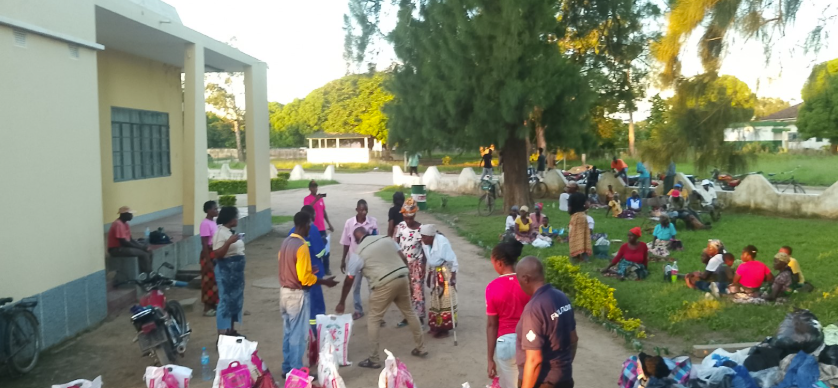
The response focused on practical support for families who had lost access to food, livelihoods, and basic household items. Assistance included:
- Food baskets containing staple items such as maize meal, beans, oil, sugar, and salt
- Hygiene supplies to help reduce the risk of disease outbreaks in flood-affected communities
- Vegetable seed kits to support households to restart food production and begin rebuilding livelihoods
- Hygiene and sanitation awareness activities alongside distributions
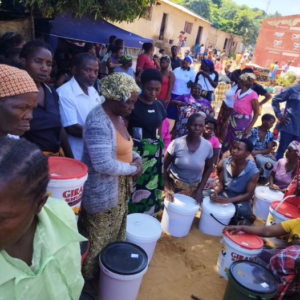
A total of 246 households, representing an estimated 1,230 people, directly benefited from the response across affected communities in the two dioceses. Priority was given to female-headed households, elderly people, people living with disabilities, and other highly vulnerable families. Approximately 74% of beneficiary households were headed by women.
The project also demonstrated the important role local churches can play during emergencies. Church buildings were used for storage and coordination, while volunteers, seminarians, Mothers’ Union members, and diocesan staff assisted with logistics, beneficiary identification, distributions, and pastoral support.
For many families, the support represented more than immediate relief. Alongside food assistance, the distribution of seeds helped families begin planning for recovery and rebuilding food security after the floods. Beneficiaries highlighted the importance of receiving support that helped restore dignity, self-reliance, and hope for the future.
Anglican Missions contributed NZD 5,000 towards the wider joint Anglican response alongside MANNA and the Anglican Communion.