Close

Disasters and Resilience

Prepared communities respond better and recover more quickly when disaster strikes.

Donate Now

HOW WE HELP

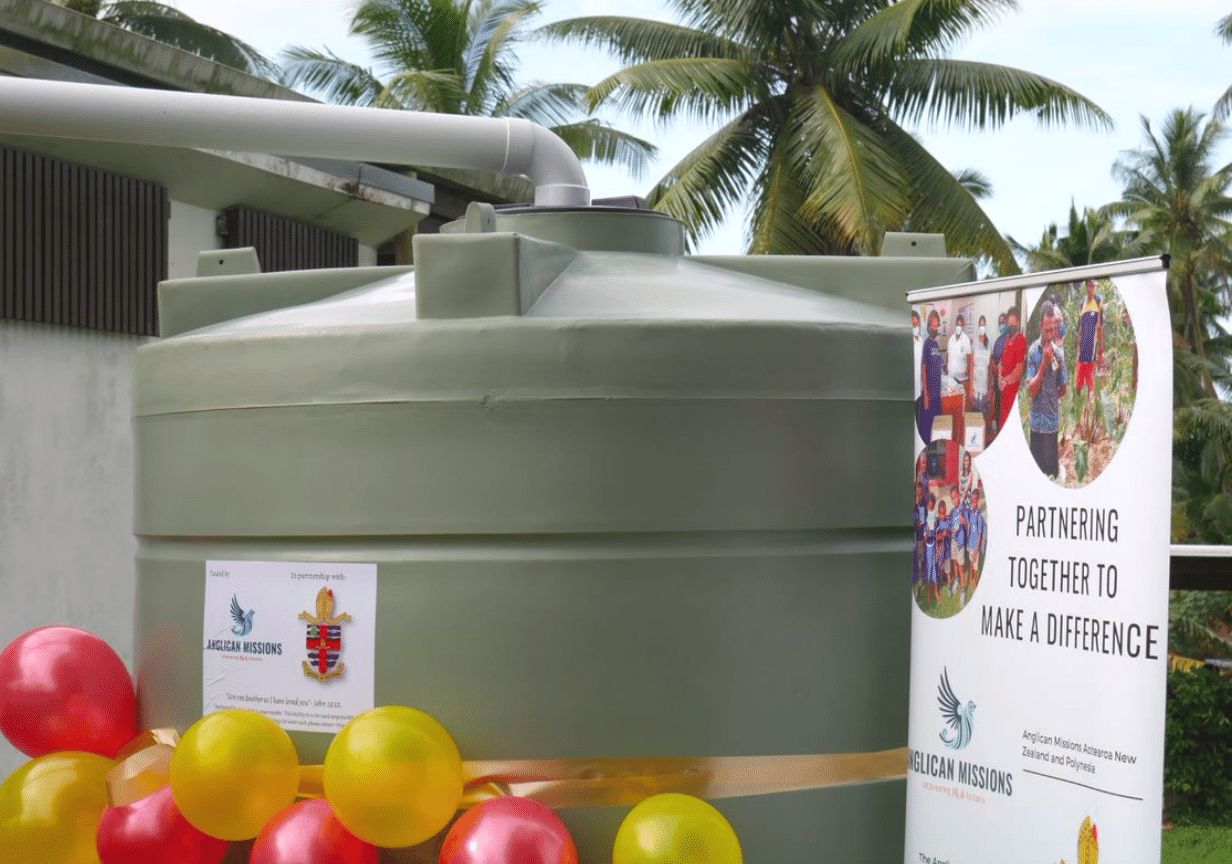
Disasters affect people and livelihoods. Anglican Missions works with communities and local churches to strengthen preparedness and local capacity so families and communities can respond more effectively when disasters occur and recover more quickly afterwards. Our focus is on practical preparedness, locally led response, and supporting dignity in times of crisis. 

Partner with us to strengthen preparedness and increase resilience through your support of the Disasters and Resilience programme

Churches and Marae as effective disaster hubs.

Churches and Marae are well placed as disaster hubs where appropriately prepared and trained.

The role of Faith Communities.

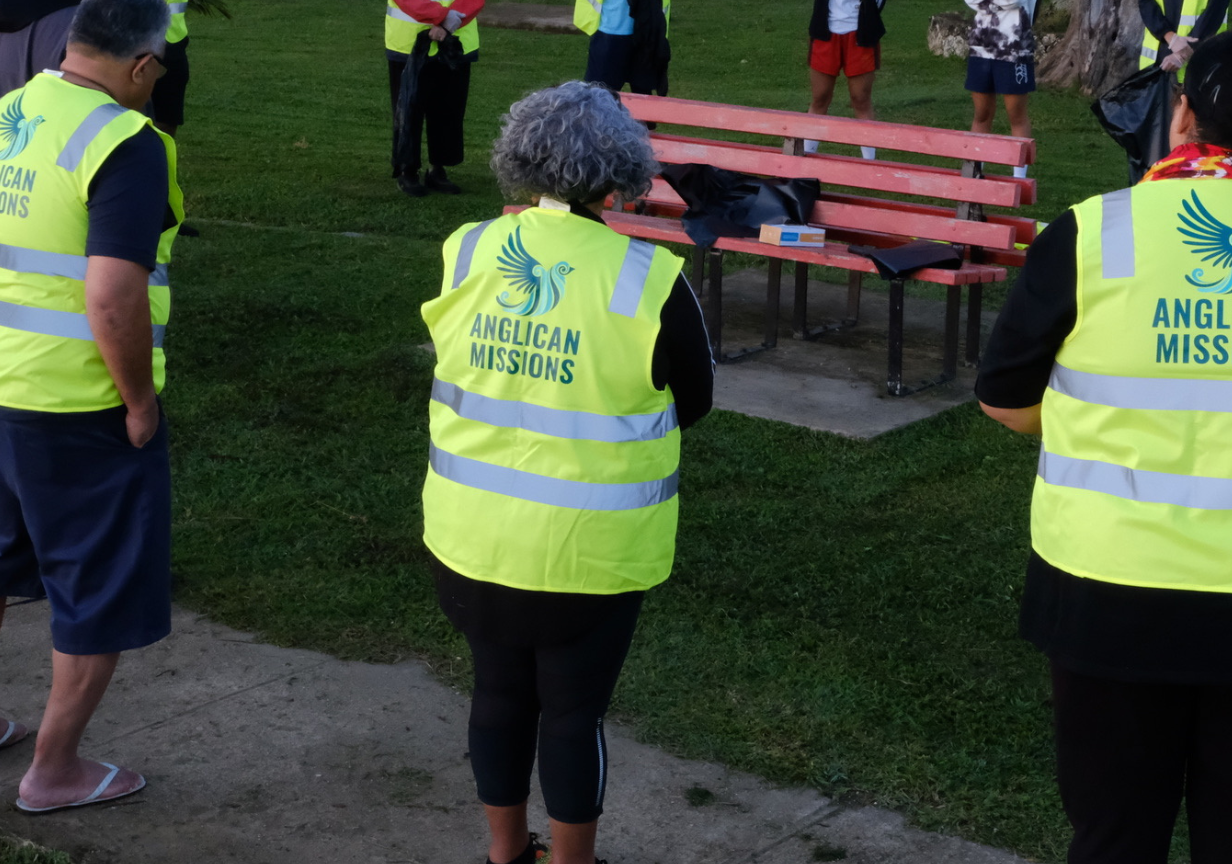
Churches and marae form an integral and central part of the community through familiar spaces, strong networks and sustainable support. Members are regularly involved across the community, are well networked, and have integral knowledge of the strengths and vulnerabilities of the community. Faith communities operate with strong values and principles of manaakitanga (hospitality, generosity, and support), kaitiakitanga (stewardship), whanaungatanga (relationship), and Kotahitanga (collective action). Intentionally integrating these skills and principles enables churches and marae to organise and respond effectively to disasters in coordination with others.  

This programme supports churches and partners both domestically and internationally to develop practical plans and capabilities so they can contribute effectively alongside the wider community and government response. 

Emergency Preparedness.

When disaster strikes, the church and marae are already there. We’ve curated resources and guides to help your church, marae or faith community be more prepared if and when a disaster strikes.

Learn how your faith community can be more prepared

Disaster Preparation strengthens resilience.

Resilient communities can recover more quickly from the impacts of disaster.

Prepared Communities.

Disasters don’t just damage infrastructure or disrupt services, they disrupt lives, livelihoods, and community wellbeing. Disaster resilience isn’t only about getting through an event, but being prepared, knowing the hazards, responding well, and recovering faster afterwardsThis might include pre-positioned supplies, arranging disaster management plans with churches, and being intentional with available resources and capacities.

Prepared communities know how to equip themselves and their environment before a disaster occurs, and are quick to reactorganise, and coordinate with others during a disaster to meet the needs of the vulnerable.  

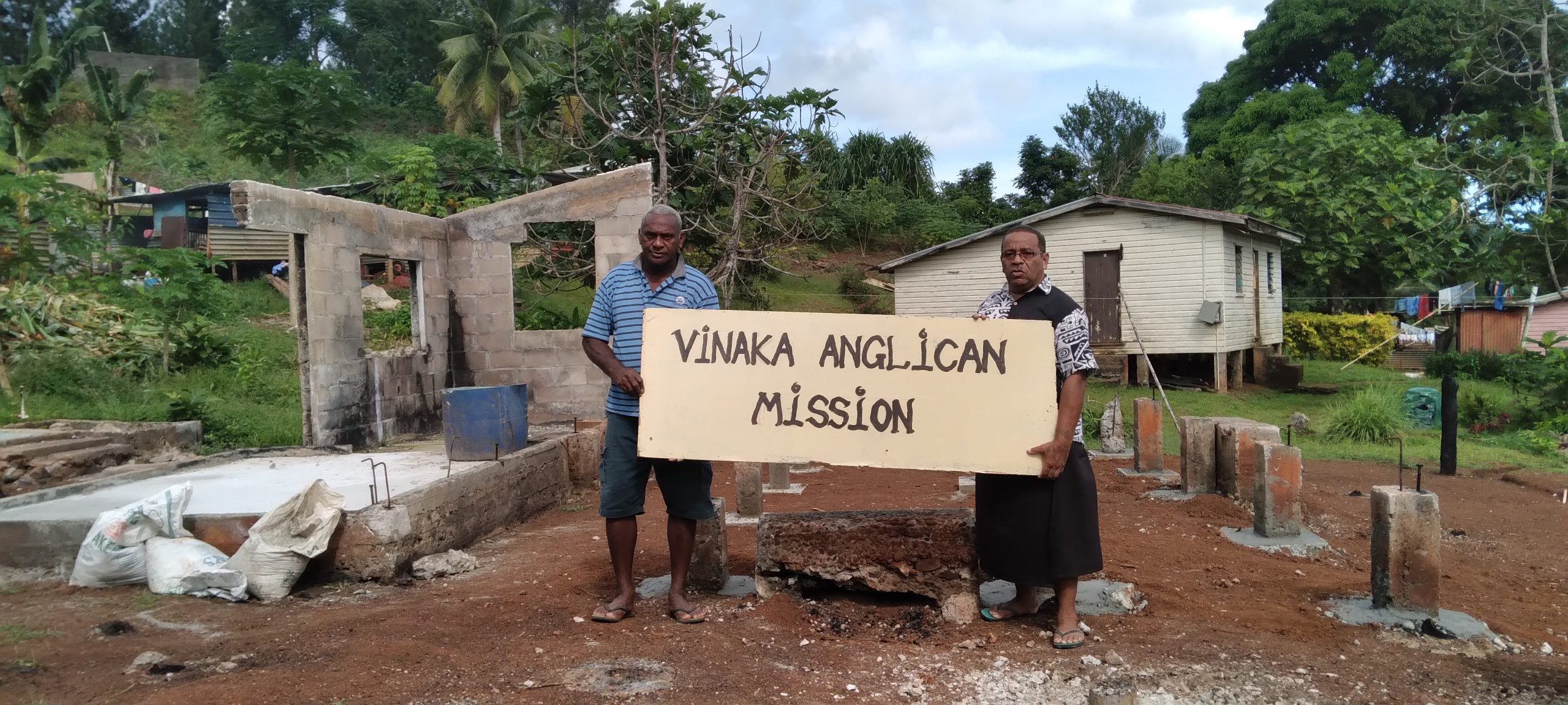
Disasters uproot lives

As the climate changesmany places are experiencing more frequent and severe weather-related hazards.

Effects of Disaster.

Increased disaster frequency decreases in the time a community has to prepare and respond. Disasters such as cyclones, flooding, landslides and drought can overwhelm local capacity and coping mechanismsdisrupting daily life, livelihoods, and essential services

This is particularly challenging for isolated or remote communities, where external assistance may take time to arrive and local resources are often limited. In these contexts, the ability of communities to organise, support one another, and respond early can make a significant difference to both immediate safety and longer-term recovery. 

People wonder...

Disaster preparedness plans are specifically created to guide communities in situations of sudden disaster. They ensure that a community has access to prepositioned supplies, knowledge of local civil defence groups and disaster hubs, and a strategy for reaching the most vulnerable. Communities can prepare for sudden disaster by gauging their own strengths and capabilities and forming a disaster response plan to guide their response alongside local defence groups in case of emergency.
There are many ways to assist after an emergency, and chances are, you already have a skill that is transferable to this context. Many roles in emergency response can be filled by anyone who is willing to lend a hand. Your skills might range from making a cup of tea and lending a listening ear, to owning and knowing how to operate a chainsaw. Connecting with local civil defence groups, churches, marae, and other emergency response bodies to offer your assistance or resources is an efficient way to aid the relief effort. Even just sharing what you can see happening outside of your window is important information to response teams.

Another vital resource during disasters is any knowledge that you or your neighbours might have regarding particularly vulnerable community members. If you have the capacity to safely connect with vulnerable community members after a disaster, you should do so, or you can tell a local emergency response body, and they can work to ensure everybody is safe.
Global warming has already had a permanent effect on disaster severity, and several natural disasters are directly impacted by the various effects of climate change. Some natural disaster directly influenced by climate change include:

Wildfires. On a small scale, wildfires can be productive to ecosystem growth. However, they are quickly intensified by hotter temperatures, longer drought periods, earlier snowmelt, and stronger winds, which cause catastrophic destruction to ecosystems.

Flooding. Flooding is intensifying due to changes in rainfall, storms, and temperatures, as well as anthropological factors such as floodplain development.

Hurricanes. Climate change is increasing atmospheric and ocean temperatures, as well as rising sea levels. The impact of this is an increase in peak wind speeds, storm surges, and rainfall rates, which intensify and lengthen hurricane duration.

Tornados. The frequency and strength of severe thunderstorms is also increasing, which amplifies the atmospheric conditions that develop intense and destructive tornados.

Internationally, Anglican Missions is currently developing a tiered disaster management framework alongside regional partners, local communities, and local churches. Across Aotearoa, Anglican Missions is developing tools that churches and marae can use to identify their own strengths and resources, and draft a disaster preparedness plan for their own community.

If your church is interested in being involved in this programme, you can email our projects coordinator Mark Mitchell at mark@anglicanmissions.org.nz. If you'd like to access the tools for developing a disaster preparedness plan in your own faith community, you can navigate to the "Emergency Preparedness" page of the Anglican Missions website for first-steps and more information.

Disasters and Preperation Resources

Love in action.

Anglican Missions expresses mission through our international project and humanitarian aid work. Check out some of these below:

News

News from the Mission space.
Click here to read more articles

Our Mission is International.

Our work takes us into all parts of the world, and calls us to proclaim the love of God without discrimination and to whoever needs it.

Click the map pins to explore our work in different parts of the world.

NZCMS Mission
Partners Supported

PEOPLE GIVEN A
PLACE TO WORSHIP IN TANZANIA