Close

Climate and Justice

We have a shared responsibility to care for the earth and its people.

Donate Now

How we Help

Climate change affects us all, but not equally. Anglican Missions works with communities and local churches as part of a wider, shared response to climate change, recognising that those who have contributed least to the crisis often experience its impacts most acutely. Our role is to stand alongside communities, support practical adaptation, and strengthen local capacity so people can respond with dignity and resilience. 

You can partner with us to support climate justice and create a sustainable future through your donation to the Climate and Justice programme 

Justice for People.

Communities least responsible for the causes of climate change often suffer the most from its effects.

Climate Change is an Equity Issue.

Climate change is not only an environmental challenge; it is also a justice issue. Low lying coastal communities, small island states, and rural households dependent on land and water are already experiencing rising sea levels, more extreme weather events and increasing pressure on livelihoods.  

Human well-being depends on a healthy planet, including clean water, fertile soil, stable weather patterns, and functioning ecosystems. When these systems are disrupted, existing inequalities are deepened. Climate justice requires responses that address inequalities, respond to systemic issues, and empower vulnerable communities to adapt and flourish.  The protection of this earth is everyone’s responsibility, and it starts with providing equitable and just solutions for underserved communities, especially those facing heightened effects of climate change. 

For Anglican Missions, justice for people means focusing on equity, local leadership and inclusionOur work seeks to encourage practices that protect and restore the environment while supporting livelihoods. This may include promoting sustainable agriculture, protecting water sources, restoring soils, and supporting approaches grounded in kaitiakitanga and stewardship of creation. 

Justice for The Planet.

Caring for the planet is inseparable from caring for people

Environmental Consequences.

The over-extraction of natural resources and environmental degradation have contributed significantly to the climate crisis and reduced the resilience of ecosystems that communities depend on. 

Our work seeks to encourage practices that protect and restore the environment while supporting livelihoods. This may include promoting sustainable agriculture, protecting water sources, restoring soils, and supporting approaches grounded in kaitiakitanga and stewardship of creation. 

People wonder...

Current emissions pathways, also known as RCP (Representative Concentration Pathway) pathways, are models which show how greenhouse gas emission trajectories could evolve over time. According to these pathways, current policies in place globally are projected to result in about 2.6 degrees Celsius warming above pre-industrial levels by 2100.

So, what are the implications of this projection for the most vulnerable communities? While this depends heavily on community location, elevation, topography, and resilience, much of the world is expected to experience heightened flooding, longer periods of drought, erratic weather patterns, more pests, significant coastal erosion and inundation, and environmental degradation. The effects will be felt most acutely by coastal and low-lying communities.
Climate justice requires action at multiple levels. No single response is sufficient on its own, but together these actions can contribute to meaningful change.

At home, this can include making informed choices that reduce environmental impact, such as conserving energy and water, reducing waste, and supporting sustainable food systems. It also involves learning about how climate change affects different communities and reflecting on how personal consumption and advocacy choices connect to global impacts.

Within our communities, climate justice can be supported by strengthening local preparedness and resilience, supporting community-led initiatives, and working alongside organisations, churches, and local leaders who are responding to climate-related challenges. This may include preparedness planning, environmental restoration activities, or supporting those most affected during climate-related events.

Climate justice can be supported by standing alongside locally led efforts. This includes supporting practical adaptation initiatives, strengthening livelihoods and food security, improving access to safe water and sanitation, and advocating for fair and inclusive climate policies. Through prayer, advocacy, and financial support, individuals and communities can contribute to responses that respect dignity, local leadership, and long-term resilience.
Communities can adapt and prepare for climate change by predicting its effects and equipping themselves to be resilient against them. To do this successfully, communities require both the knowledge to recognise its effects and the capacity to adapt in response.

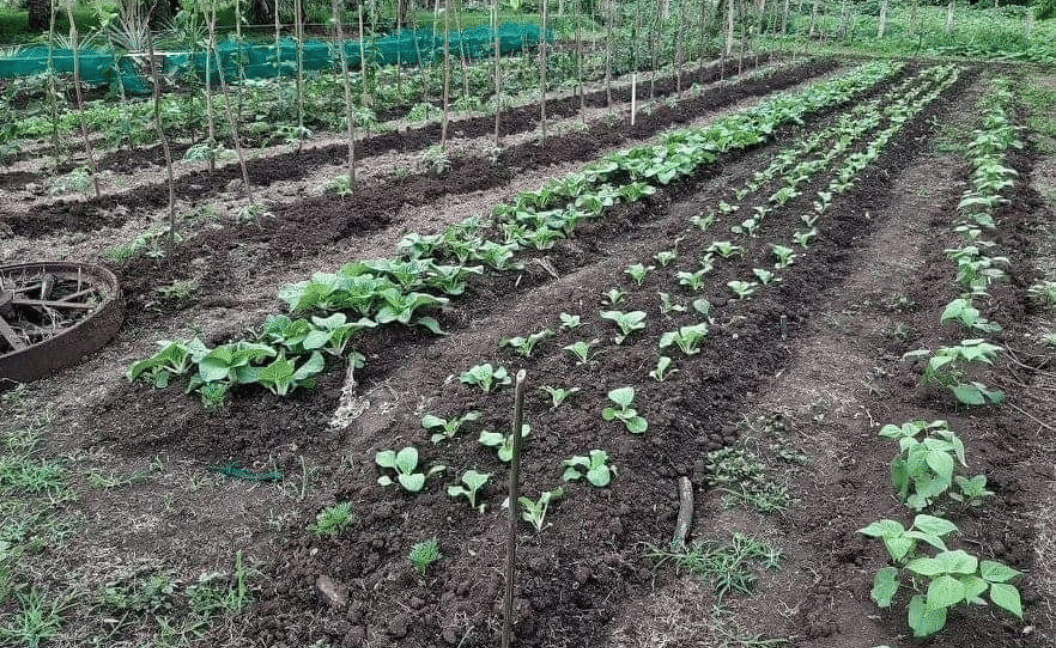
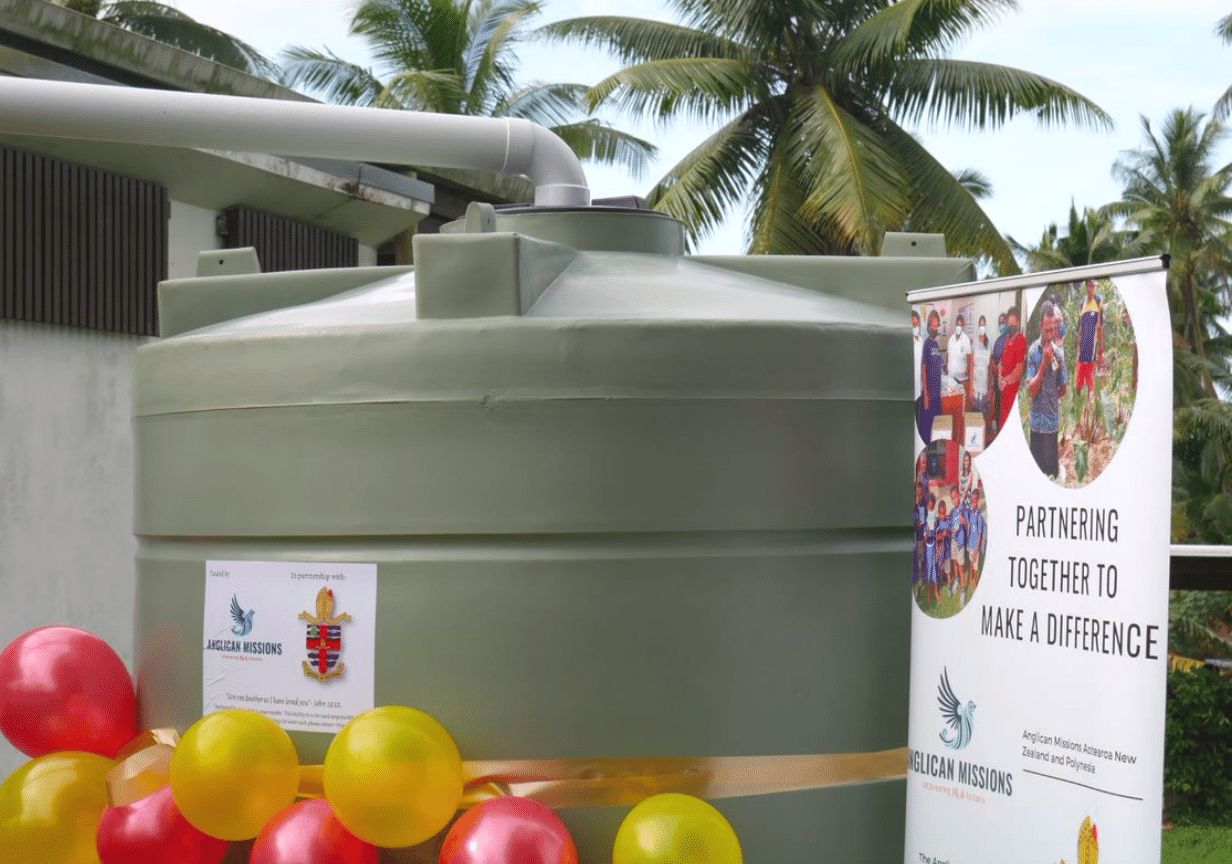
For the communities that Anglican Missions works with, this can look like adopting new agriculture practices which are resilient and increase yield or building infrastructure that can withstand strong weather patterns and regular flooding.

Solutions for climate adaptation must be sustainable, durable, and context specific.
Long-term relationships and change are at the core of Anglican Missions’ work. We work to ensure our projects create lasting change by:

Working through local churches. This means that the project is built on community voices and addresses true need straight from the start. Building church capacity also equips the church to replicate the project and pass knowledge on far into the future.

Working through local champions. Anglican Missions seeks to identify community champions early into the project design. In doing so, these champions can identify specific needs, choose the best solution, and rally the community to remain engaged and passionate long after the project’s end.

Focusing on training and education. Climate solutions aren’t helpful to a community unless they understand how to use them. Thus, our project activities concentrate on community capacity, knowledge, and engagement.

Climate and Environment Resources

Love in action.

Anglican Missions expresses mission through our international project and humanitarian aid work. Check out some of these below:

News

News from the Mission space.
Click here to read more articles

Our Mission is International.

Our work takes us into all parts of the world, and calls us to proclaim the love of God without discrimination and to whoever needs it.

Click the map pins to explore our work in different parts of the world.

NZCMS Mission
Partners Supported

PEOPLE GIVEN A
PLACE TO WORSHIP IN TANZANIA