
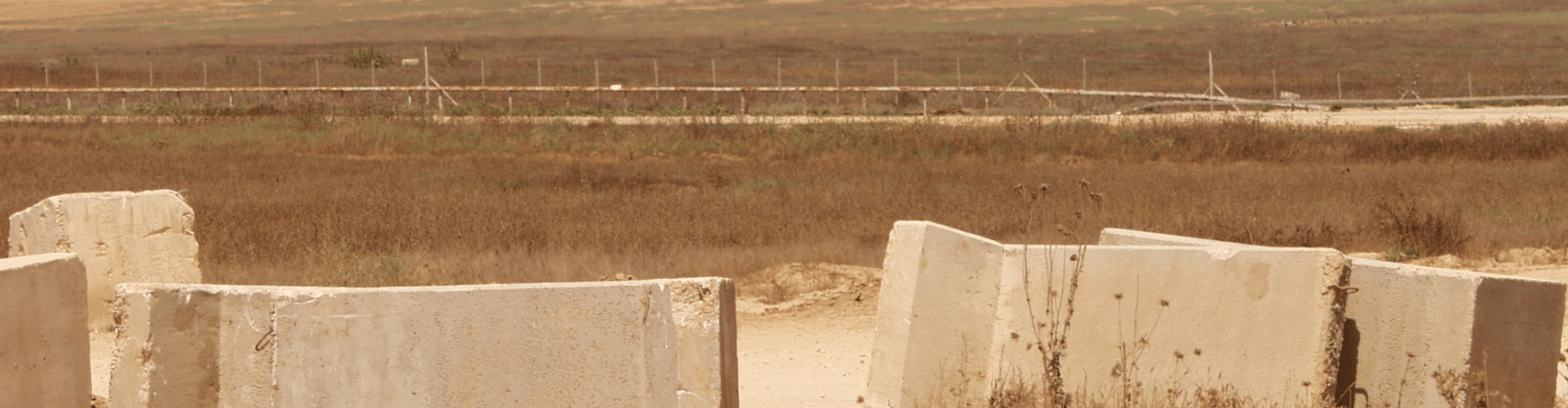
General Synod unanimously passes motion responding to violence against Palestinians
FOR IMMEDIATE RELEASE
August 27th, 2026
The 67th General Synod/Te Hīnota Whānui, meeting in Tonga, has unanimously passed a motion responding to continuing violations of international law and human rights abuses against Palestinians in Gaza, the West Bank and East Jerusalem.
Motion 8 was moved by the Ven Dr Michael Wallace and seconded by the Rev’d Ivica Gregurec. It affirms the Church’s support for Christian ministries in the Holy Land, rejects antisemitism and Christian Zionism, and calls on governments across Aotearoa New Zealand and Polynesia to take meaningful action in support of peace, justice and reconstruction.
The 2025 ceasefire in Gaza has been repeatedly violated, resulting in the killing of more than 1,000 Palestinians since it was declared. As global media attention shifts away from Palestine, conditions in Gaza and the West Bank continue to deteriorate, out of sight.
Anglican Missions continues to receive firsthand accounts from doctors at Al Ahli and St Luke’s hospitals describing worsening conditions and diminishing access to medical care across the two regions.
The motion comes at a vital moment, when much of the world appears to have moved on despite the continuing violence and humanitarian crisis.
Anglican Missions remains committed to seeking justice and peace in the Holy Land. We tautoko this motion and its rejection of antisemitism and Christian Zionism, its affirmation of the rights and freedoms of Christian communities, and its call for governments to act against ongoing violence, illegal settlements and the oppression of Palestinians.
The full text of Motion 8 is included below. More information about Anglican Missions’ Hope for the Holy Land Emergency Appeal is available at anglicanmissions.org.nz/holy-land.
ENDS
Media enquiries:
Kris Singh
Marketing and Communications Manager
kris@anglicanmissions.org.nz
+64 27 371 0364
*
Full text of Motion 8: Holy Land
Mover: Ven Dr Michael Wallace
Seconder: Rev’d Ivica Gregurec
Noting the continuing state military violence and relentless oppression of the people of Gaza, increasing violence by settlers against Palestinians in the West Bank and East Jerusalem, the intensifying pressure on Christian communities in the Holy Land, and the steady rise of Christian Zionism in our countries:
This Te Hīnota Whānui/General Synod:
- Affirms and commits to continue to support the ministries of Archbishop Hosam Naoum and the Episcopal Province of Jerusalem and the Middle East—in Gaza and throughout the Middle East—and encourages our agencies, ABM and CWS, to continue working with partners in the Holy Land.
- Calls on our governments to actively contribute to peace,recovery and reconstruction in Gaza.
- Affirms the right and freedom of Christian communities to exercise their ministries in the Holy Land.
- Calls on our governments to do what they can in international forums to uphold the rights of religious minorities in the Holy Land.
- Rejects antisemitism¹, as defined in the Jerusalem Declaration on Antisemitism, and the violence that flows from it.
- Rejects Christian Zionism², as defined by the Jerusalem Heads of Churches in 2006, and the violence that flows from it.
- Requests the Council for Ecumenism to educate Anglicans in Aotearoa New Zealand and Polynesia about antisemitism and Christian Zionism.
- Calls on our governments to do what they can in international forums to halt settler violence and illegal settlements in Palestinian areas.
- i.Asks the Archbishops to communicate the contents of this motion to the governments of Tonga, Samoa, American Samoa,Fiji and Aotearoa New Zealand.
References
- Jerusalem Declaration on Antisemitism
The Jerusalem Declaration on Antisemitism is a tool developed to identify, confront and raise awareness about antisemitism. It was developed by scholars working in the fields of Holocaust history, Jewish studies and Middle East studies, and has approximately 370 signatories.
Read the Jerusalem Declaration on Antisemitism
- Jerusalem Declaration on Christian Zionism
The definition referenced in the motion is drawn from the declaration issued by the Jerusalem Heads of Churches in 2006.
Read the Jerusalem Declaration on Christian Zionism