Tanzania Visit Update: April 2026
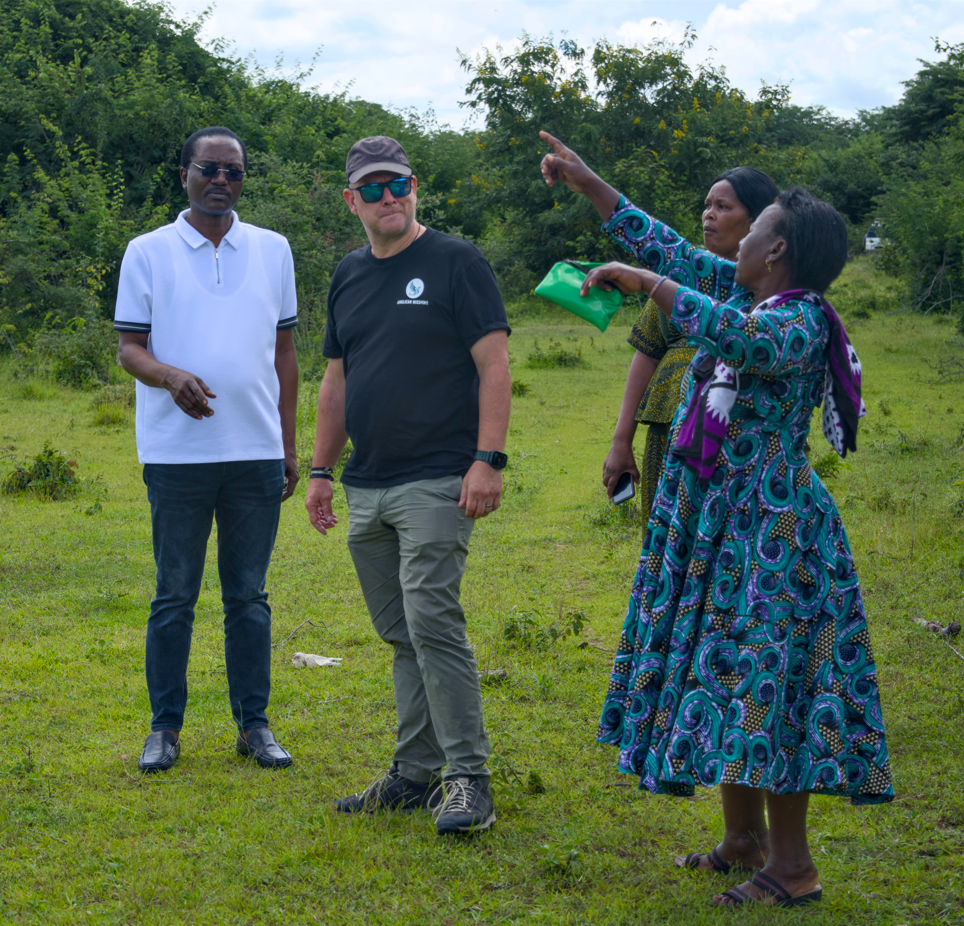
In March and April 2026, Anglican Missions projects officer Mark Mitchell visited Tanzania to monitor the PMTCT programme linked to Mvumi Mission Hospital, and to...
Read more
Anglican Missions has a long history of partnership with the Anglican Church of Tanzania, supporting communities through local churches, hospitals, and community programmes.
Today, that partnership continues through practical, community-based health initiatives that support women, children, and families, particularly in rural communities around Dodoma.
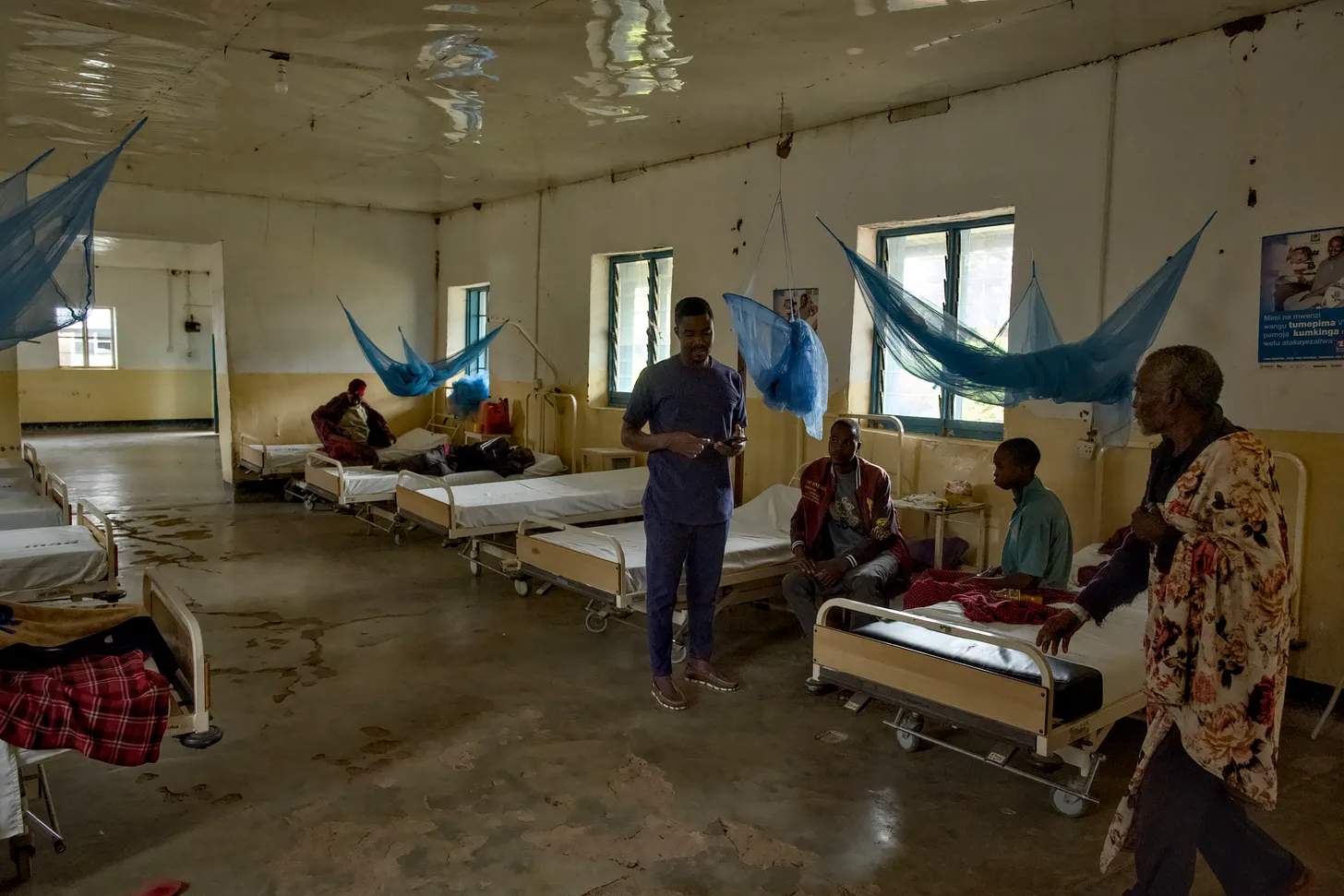
Working through the Diocese of Central Tanganyika and Mvumi Mission Hospital, Anglican Missions supports programmes that strengthen maternal and child health, improve access to healthcare, and reduce the impact of HIV/AIDS in vulnerable communities.
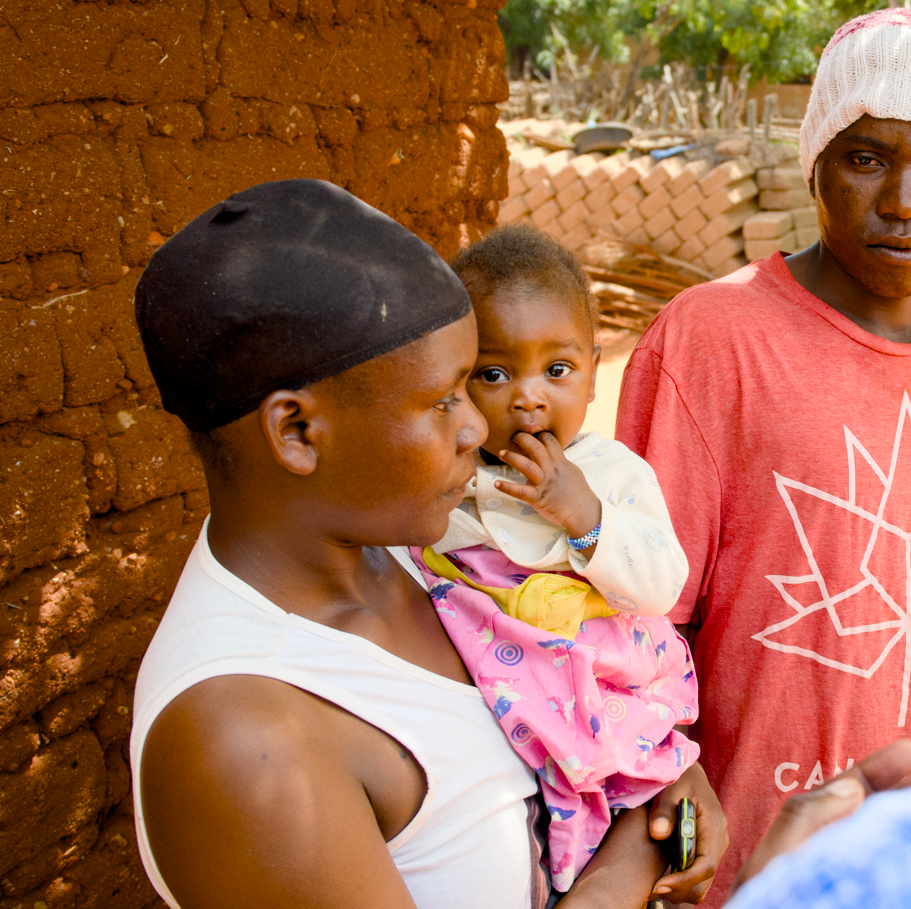
In many rural communities, access to healthcare remains difficult. Some villages are a long distance from hospitals and clinics, making it harder for women and young children to receive consistent care.
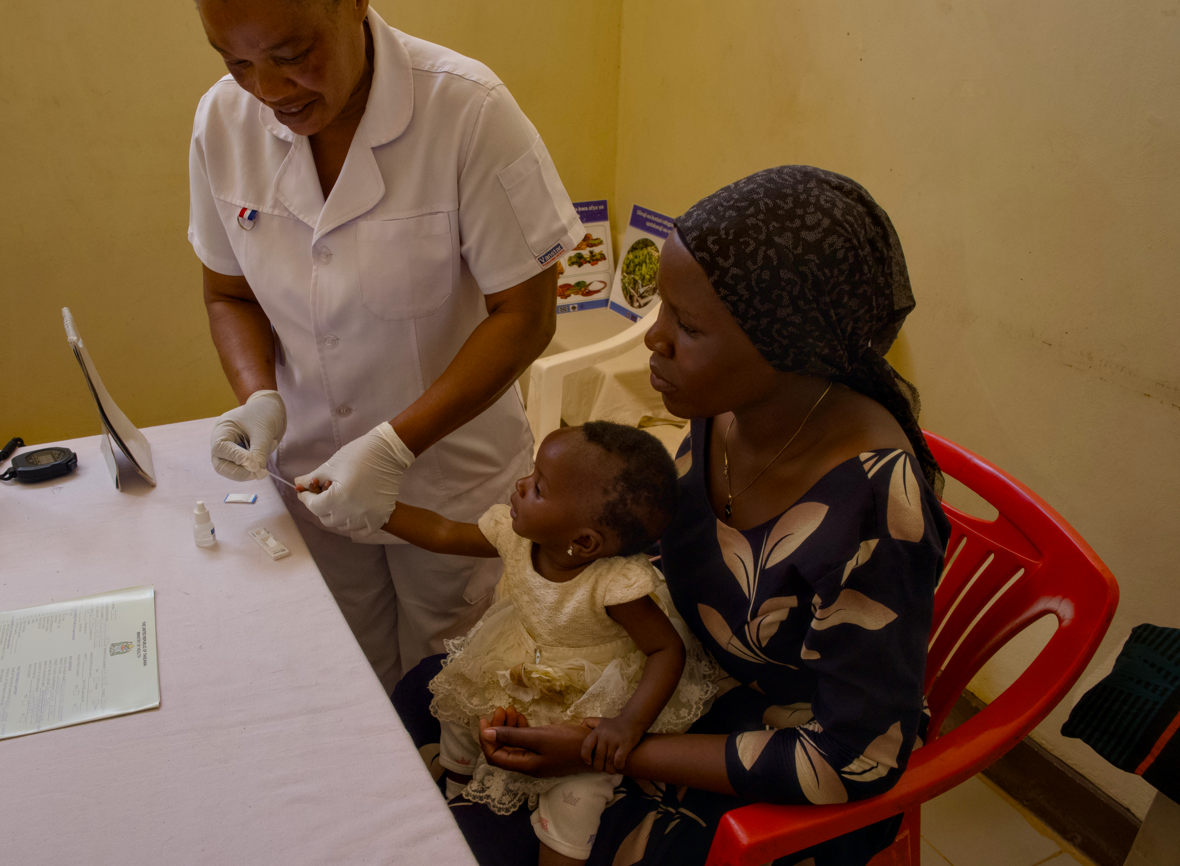
HIV/AIDS continues to affect families and communities across Tanzania. Early testing, treatment, education, and support for mothers are all critical in reducing transmission and improving long-term health outcomes.
Through trusted local churches, community health workers, and Mvumi Mission Hospital, the Church is able to reach communities that might otherwise struggle to access support.
The Anglican Church also plays an important role in helping reduce stigma, encouraging community engagement, and supporting families through trusted local relationships.

Anglican Missions is supporting the Anglican Church of Tanzania and Mvumi Mission Hospital in delivering Integrated maternal and child health services in Chamwino District, Dodoma, Tanzania.
The programme focuses on:
The programme works directly with women of child-bearing age, families, and community groups, while also supporting local church and health system capacity.
Working through mobile outreach clinics and community health workers allows the programme to reach communities that may otherwise struggle to access healthcare services consistently.
Rather than operating separately from local systems, the programme strengthens existing community and church structures to support long-term resilience and care.
The programme also supports community education, awareness, and practical health promotion through trusted local relationships.