Communities Expecting Drier Conditions
Likely in Papua New Guinea, Timor-Leste, Solomon Islands, Vanuatu, Tonga, Southern Cook Islands, Samoa, Palau, and Fiji.
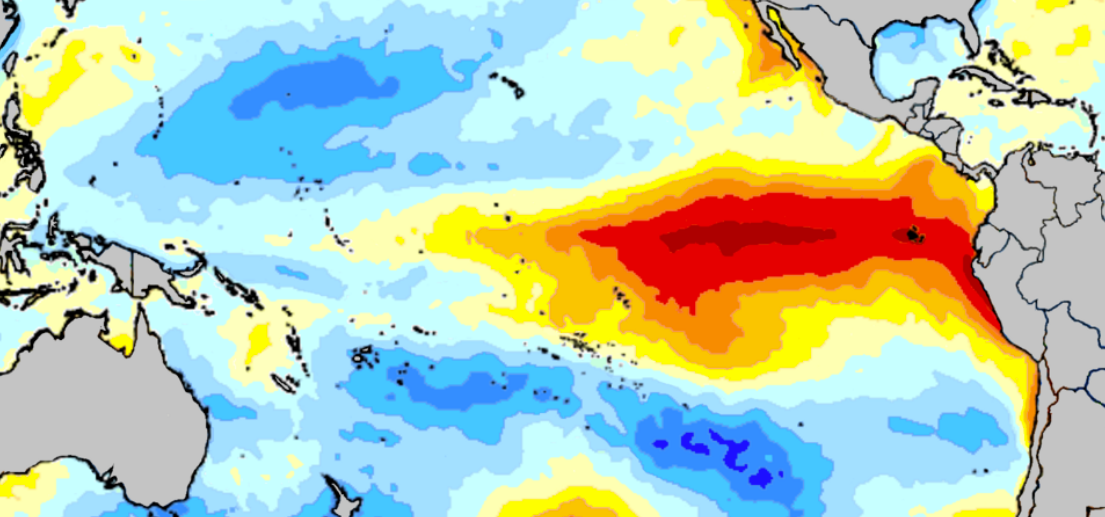
El Niño is a natural phenomenon which occurs when trade winds in the Pacific weaken or switch direction, re-directing warm waters towards the eastern Pacific. An El Niño event occurs every 2-7 years, usually lasting between 12-18 months. El Niño is not a singular, short-term weather event; rather, it is a long-term climate signal that can lead to changes in typical weather patterns. While climate change is not a direct cause of El Niño, it is likely to worsen the existing effects of El Niño events.
This page is designed to provide a snapshot of what to expect from an El Niño event, and how to prepare. It is important to note that different communities in the same country might have different microclimates, meaning that your community may experience the impacts of El Niño differently.
The overarching effects of El Niño will likely vary by country. Island countries in the Eastern Pacific, including Papua New Guinea, Timor-Leste, Solomon Islands, Vanuatu, and Fiji, are likely to experience very high risk of drier conditions. In contrast, island nations to the West, including Micronesia, Kiribati, Marshall Islands, Nauru, and Tuvalu, can expect wetter conditions. Eastern Africa is likely to experience substantially greater levels of rainfall, including in Ethiopia, Tanzania, and Uganda.
Below, we have provided a brief overview of what impacts you may experience from the 2026-2027 El Niño, including various preparedness measures to take in drier or wetter conditions. We focus on the countries in which Anglican Missions has projects, however much of the information is globally applicable. We have also provided additional research papers and articles for further learning.
This information is here to use as a tool; you know your community best, so use what is helpful and leave what is not.
Likely in Papua New Guinea, Timor-Leste, Solomon Islands, Vanuatu, Tonga, Southern Cook Islands, Samoa, Palau, and Fiji.
Likely in Micronesia, Kiribati, Marshall Islands, Nauru, Tuvalu, Tokelau, Northern Cook islands, Ethiopia, Tanzania, Uganda, Palestine.
Women. Several factors make women more vulnerable to the effects of El Niño in both wetter and drier conditions, including: burden of care for children and older people, menstrual hygiene needs, cooking and nutrition responsibility, exposure to gender-based violence, and limited land ownership and voice in decision-making.
Older people and people with disabilities. These groups face additional obstacles to mobility, are often not included in decision-making and disaster preparedness planning, and rely on care-givers.
Children. Children rely heavily on caregivers, are often excluded from decision-making, and are at heightened risk of injury and disease if left unattended.
Ensure that these groups are included in every conversation. Each vulnerable person should have someone to support them through El Niño.
Likely impacts vary by region.
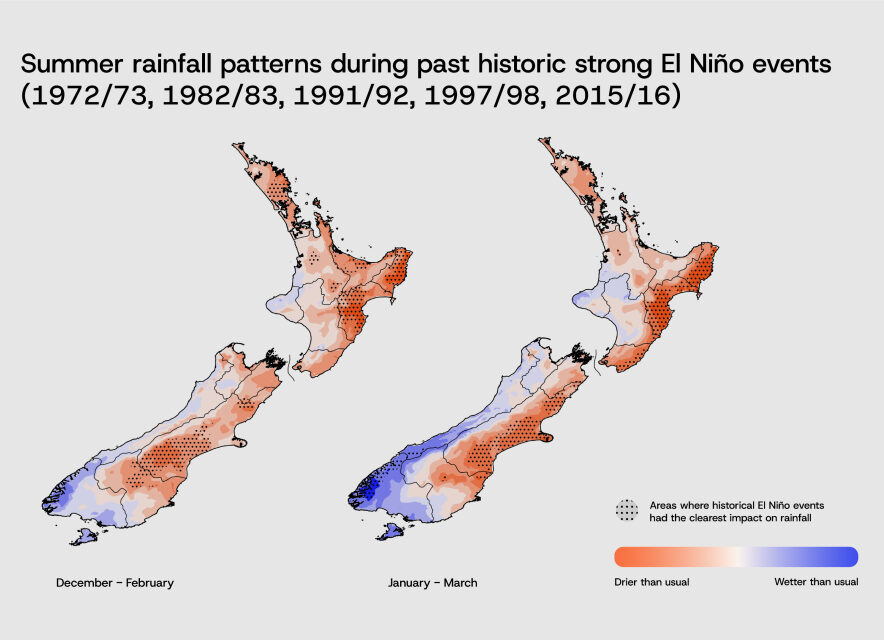
The impacts that your community will experience may depend on where you are. Based on information from Earth Sciences New Zealand and past El Niño events, most of Aotearoa can expect warmer and drier conditions, while the Western and Southern coasts of the South Island are likely to be wetter than usual, as depicted in the map.
Across all of Aotearoa, we can expect a windier than usual spring accompanied by higher temperatures, which is likely to increase wildfire risk. To prepare your community, you can reference the above-mentioned preparedness actions. If you’re a New Zealander who farms or grows, you can check out the Ministry for Primary Industry’s advice on preparing for El Niño here.
Access our printable poster materials to hang up in your church and community. They are two pages, so print them front and back if you are sharing them as flyers, or one-sided to hang up.
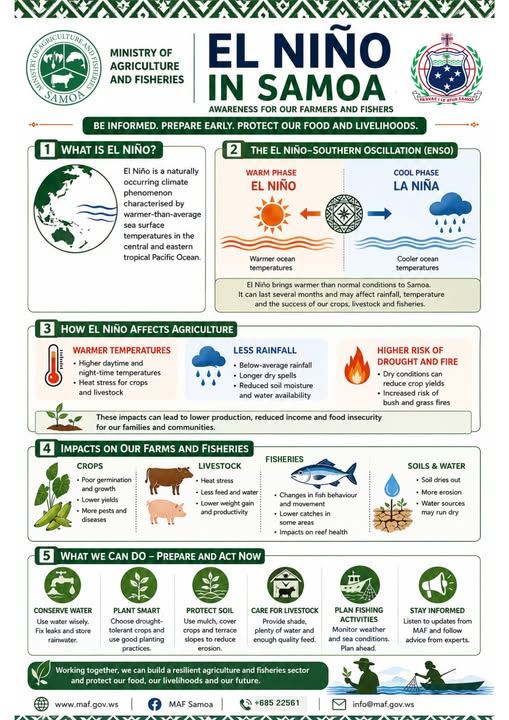
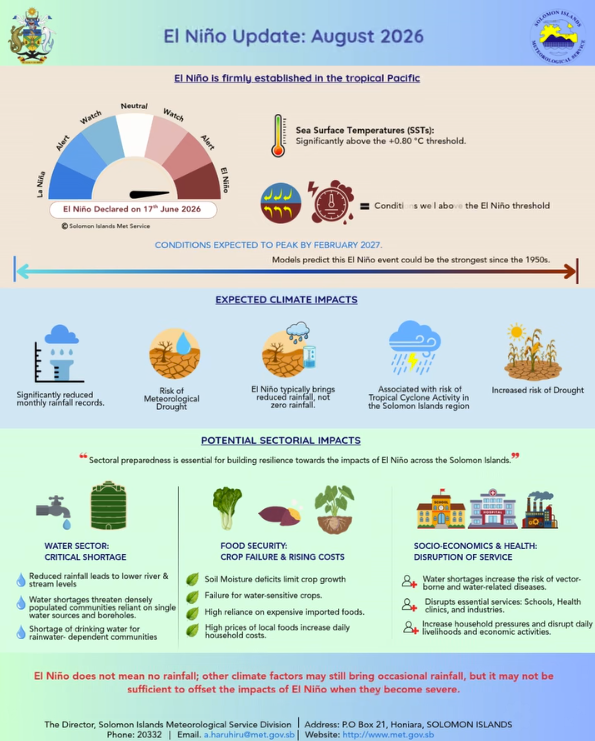
There are two poster options depending on which conditions your community is likely to experience; either wetter or drier conditions. Note that different communities in the same country might have different microclimates, meaning that your community might experience the impacts of El Niño differently.
These resources provide more in-depth research on El Niño.