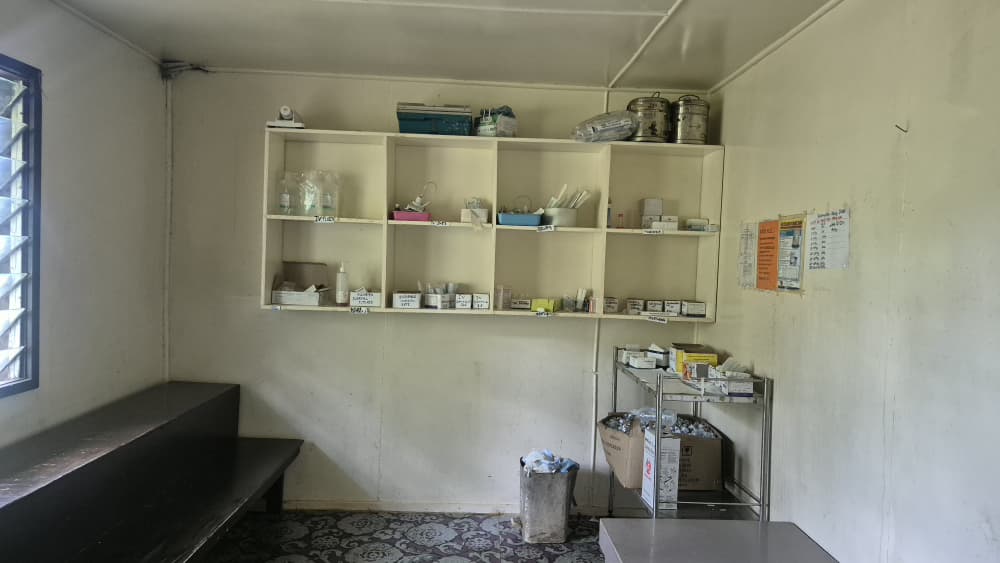
Across Papua New Guinea, health facilities face increasing numbers of patients while dealing with understaffing and insufficient medical supplies. In more remote regions, this is exacerbated by a lack of reliable electricity and safe water. Without these basic services, it becomes difficult for clinics to provide care through the night, as well as provide sufficient access to safe water for hygienic health practices.
Meanwhile, clinics in remote areas also face shortages in supplies. Insufficient maintenance supplies and training to fix a broken water tank increases vulnerability to water insecurity. Likewise, a lack of sufficient medical supplies reduces the care that a clinic is able to provide, and can exacerbate medical conditions by requiring patients to travel further to the next health facility to access that care.
Anglican Missions has been working alongside the Diocese of Waiapu in Aotearoa and the Anglican Church of Papua New Guinea (ACPNG) to connect with two different health facilities in Papua New Guinea which are in great need of infrastructure upgrades, including electricity systems, emergency water storage, and insufficient medical supplies.
This project seeks to meet those needs by providing maintenance of broken infrastructure, upgrading electricity and water services, supplying needed medical equipment, and working with Parishes to enhance local capacity and disaster preparedness.
Partner with us to increase access to healthcare in Papua New Guinea through your donation to our Water and Sanitation program.

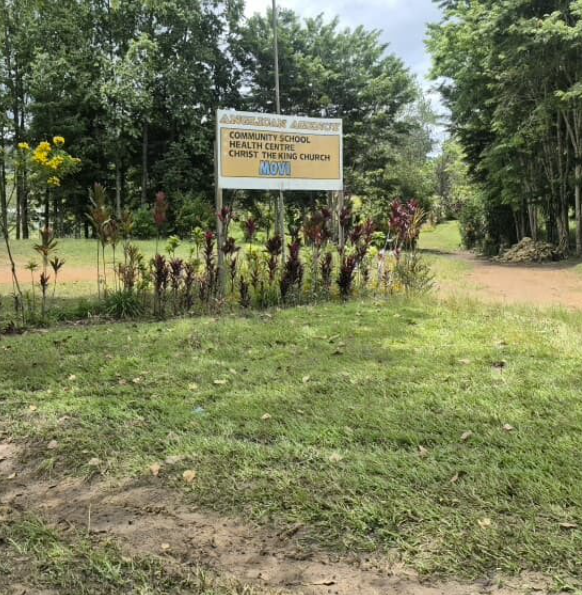
Movi Health Center, located in Siane in the Eastern highland Province, is a small clinic that serves approximately 27 rural mountain communities in the Aipo Tongo Diocese. The clinic is a vital lifeline to around 6,000 people, as access to government health services is extremely limited in this region.
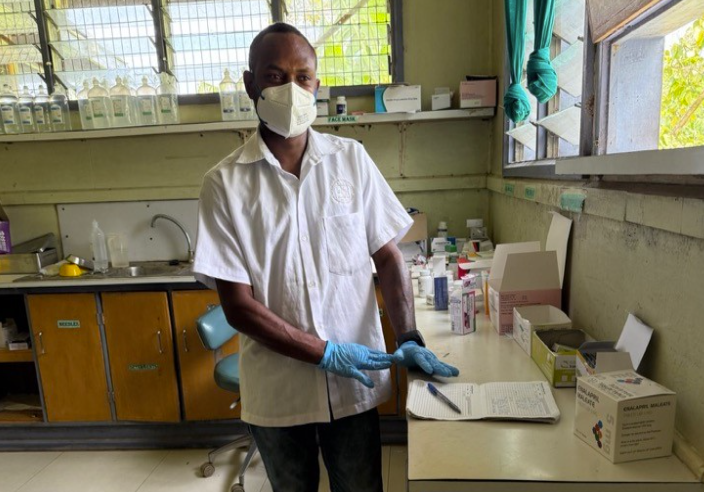
The clinic is operated by extremely commited local staff, however they currently lack access to water, power, and basic medical supplies, meaning service cannot be administered during the night when there is no electricity for lighting.
Katereda (St. Margaret’s) hospital, located in Oro Bay in the Popondetta Diocese, is a long-established Anglican facility serving both urban and rural catchments. It serves approximately 25,000 people across 6 different villages through both outpatient and maternal health services.
While the hospital is currently helping thousands of people, it is also dealing with broken water systems, ageing infrastructure, intermittent electricity, insufficient safe water, and shortages of essential equipment and consumables.